Special News Series: Rising Up For Justice! – Lafayette Square: iconic for Trump presidency
Share
Explore Our Galleries









Breaking News!
Today's news and culture by Black and other reporters in the Black and mainstream media.
Ways to Support ABHM?
Introduction To This Series:
This post is one installment in an ongoing news series: a “living history” of the current national and international uprising for justice.
Today’s movement descends directly from the many earlier civil rights struggles against repeated injustices and race-based violence, including the killing of unarmed Black people. The posts in this series serve as a timeline of the uprising that began on May 26, 2020, the day after a Minneapolis police officer killed an unarmed Black man, George Floyd, by kneeling on his neck. The viral video of Floyd’s torturous suffocation brought unprecedented national awareness to the ongoing demand to truly make Black Lives Matter in this country.
The posts in this series focus on stories of the particular killings that have spurred the current uprising and on the protests taking place around the USA and across the globe. Sadly, thousands of people have lost their lives to systemic racial, gender, sexuality, judicial, and economic injustice. The few whose names are listed here represent the countless others lost before and since. Likewise, we can report but a few of the countless demonstrations for justice now taking place in our major cities, small towns, and suburbs.
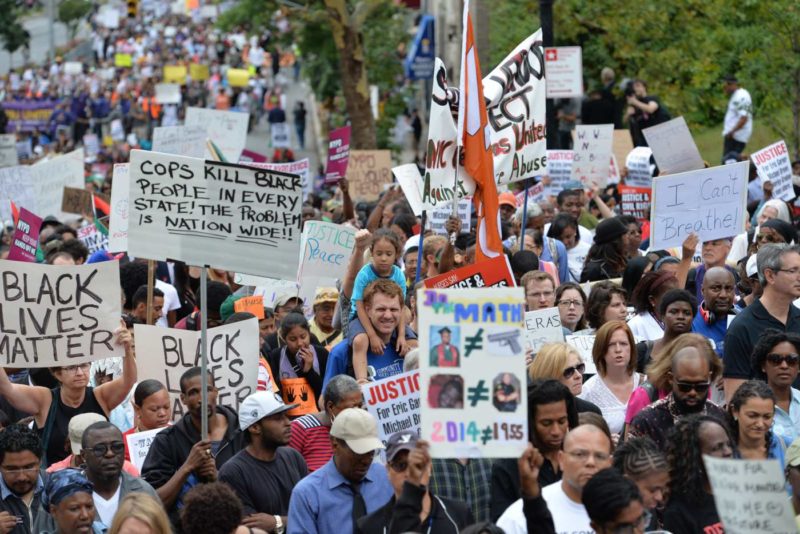
To view the entire series of Rising Up for Justice! posts, insert “rising up” in the search bar above.
Lafayette Square clash, still reverberating, becomes an iconic episode in Donald Trump’s presidency
By Philip Rucker and Ashley Parker, The Washington Post
June 13, 2020
President Trump, besieged by a long season of crisis, wanted to create an iconic moment.
Less than one hour after federal authorities forcibly removed peaceful protesters from Lafayette Square, the president emerged with military leaders from the fortified White House — the air still thick with the acrid smell of tear gas — to pose for pictures holding a Bible in front of a historical church.
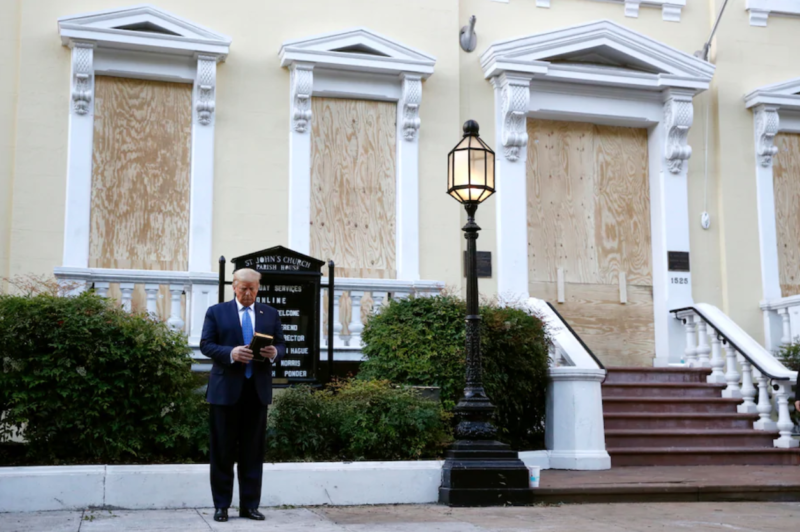
Trump holds a Bible as he stands outside St. John’s Episcopal Church for a photo op on June 1. (Patrick Semansky/AP)
The moment was indeed iconic. But it spawned yet another crisis for the president.
The succession of images from Lafayette Square on June 1 has reverberated for nearly two weeks — a harrowing cable news split-screen that now has enduring consequences for Trump and outsize symbolism for a nation broken after yet another black man died in the custody of police.
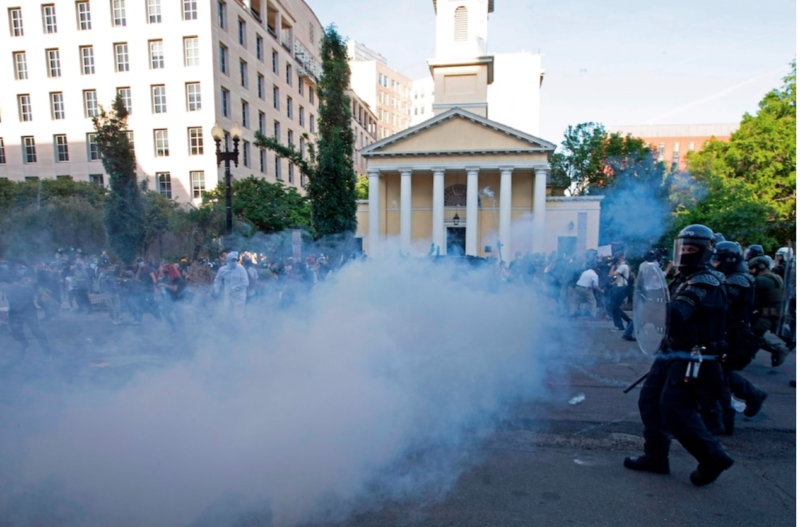
So indelible were the pictures that night outside the White House that Lafayette Square has come to represent Trump’s inability to meet the moment. The layers of black fencing erected to close the park and surrounding streets became Fortress White House — a physical manifestation of the president’s distance from Americans’ cries for racial justice. The bold, yellow “BLACK LIVES MATTER” lettering on 16th Street became a declaration of resistance visible from the sky. And the name Lafayette Square itself became a shorthand for so much of what many see as wrong in America.
With his triumphal stride through the square to historical St. John’s Episcopal Church, Trump had hoped to appear strong and dominant, and to dispel the narrative of him hiding in the secured White House bunker during evening protests outside. Demanding a show of force, he sought to make the nation’s capital a shining example of how to control the streets amid racial unrest.
Instead, the photo op proved calamitous.
Comments Are Welcome
Note: We moderate submissions in order to create a space for meaningful dialogue, a space where museum visitors – adults and youth –– can exchange informed, thoughtful, and relevant comments that add value to our exhibits.
Racial slurs, personal attacks, obscenity, profanity, and SHOUTING do not meet the above standard. Such comments are posted in the exhibit Hateful Speech. Commercial promotions, impersonations, and incoherent comments likewise fail to meet our goals, so will not be posted. Submissions longer than 120 words will be shortened.
See our full Comments Policy here.