Chicago’s Grim Era of Police Torture
Share
Explore Our Galleries









Breaking News!
Today's news and culture by Black and other reporters in the Black and mainstream media.
Ways to Support ABHM?
By The Editorial Board, New York Times

Andrew Wilson, victim of torture by Chicago Police Dept., taken while in custody. Courtesy of the Chicago Torture Archive.
Americans who think of officially sanctioned torture as something that happens in other countries will be shaken when they confront the grim holdings of the Chicago Torture Archive, an online research repository set to open early next year. The archive — which includes testimony and documents from criminal trials and civil rights cases — was collected by the People’s Law Office, which represented numerous survivors of police torture. The trove will give researchers chilling insight into the grisly period from the 1970s to the 1990s when the Chicago Police Department’s infamous torture crew rounded up more than 100 African-American men who were shocked with cattle prods, beaten with telephone books and suffocated with plastic bags until many confessed to crimes.
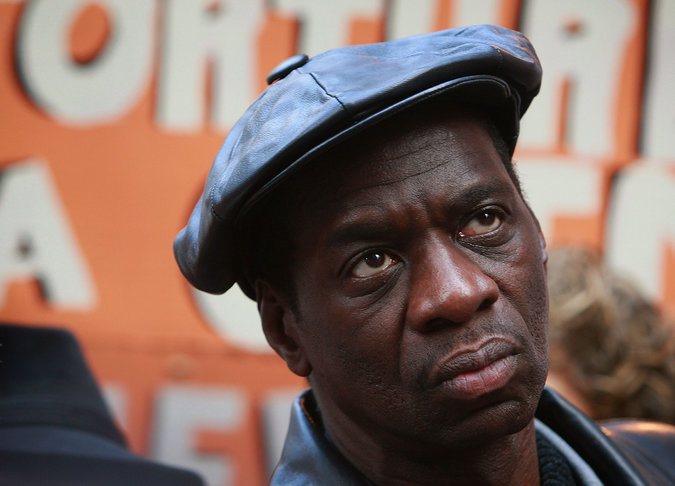
Darrell Canon in Chicago in 2008. Credit Scott Olson/Getty Images
The materials, made available by the Pozen Family Center for Human Rights at the University of Chicago, contain nightmarish stories, like that of Darrell Cannon. In 1983, three Chicago police officers arrested Mr. Cannon in connection with a murder case, drove him to a desolate area and tortured a confession out of him. Mr. Cannon explains in court documents that he refused to confess after the officers forced the barrel of a shotgun into his mouth and repeatedly pulled the trigger. He finally gave in, he said, after they shocked his genitals with a cattle prod….
Mr. Cannon served 24 hellish years in prison — nine of them at a supermax facility. But by the time state prosecutors finally dismissed his criminal case, it had become clear that his torture story was no exaggeration and that a cover-up had been undertaken to hide this period of police abuse from view.
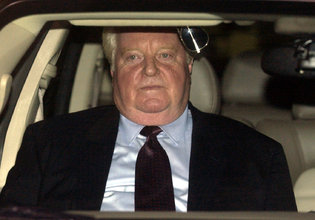
Jon Burge, a former commander of the Chicago Police Department. Credit Terrence Antonio James/Chicago Tribune, via Associated Press
By then, Jon Burge, the commander who had overseen the torture squad, had been fired after he was connected to a torture case. But statutes of limitation shielded him from prosecution for the abuses themselves.By then, Jon Burge, the commander who had overseen the torture squad, had been fired after he was connected to a torture case. But statutes of limitation shielded him from prosecution for the abuses themselves….
The Chicago City Council confronted the torture era head-on last year when it approved a measure that has paid reparations to scores of police torture victims. The legislation also provides substance abuse treatment, counseling and other services to victims and their immediate family members, as well as free tuition at city colleges. A memorial will be built and this history will be taught in city public schools…
Read the full article here.
More Breaking News here.
Comments Are Welcome
Note: We moderate submissions in order to create a space for meaningful dialogue, a space where museum visitors – adults and youth –– can exchange informed, thoughtful, and relevant comments that add value to our exhibits.
Racial slurs, personal attacks, obscenity, profanity, and SHOUTING do not meet the above standard. Such comments are posted in the exhibit Hateful Speech. Commercial promotions, impersonations, and incoherent comments likewise fail to meet our goals, so will not be posted. Submissions longer than 120 words will be shortened.
See our full Comments Policy here.