With TikTok Ban in Limbo, Black Creators Face an Uncertain Future
Share
Explore Our Galleries









Breaking News!
Today's news and culture by Black and other reporters in the Black and mainstream media.
Ways to Support ABHM?
by Aallyah Wright and Brandon Tensley, Capital B
TikTok went dark temporarily a day before the ban. Trump and other congressional leaders say they want to keep the app running.
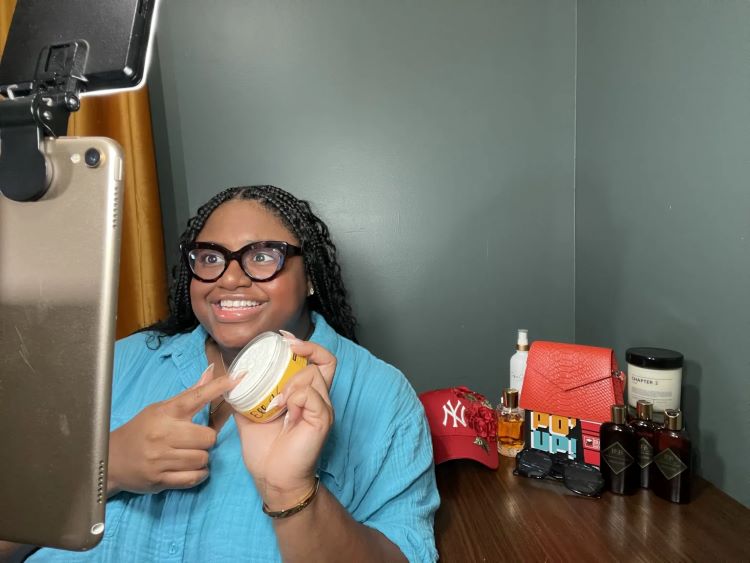
Lifestyle content creator Talia Cadet hasn’t quit her day job, but TikTok has changed her life, she says.
The additional income generated from her viral lists of Black-owned products, books she loves, and local events has made “a huge difference,” especially as a single homeowner in metropolitan Washington.
Cadet, 35, has gained more than 160,000 followers and secured opportunities she never imagined. She has moderated panels that include Essence Fest and worked with large brands and small businesses.
With a potential ban, many Black content creators fear it could cost them essential income or restrict their creative expression. Many U.S. government officials view the app as a national security threat, raising concerns that China could use it to gather private data and disseminate misinformation. While creators are considering a pivot to other platforms, nothing is quite like TikTok, especially for Black communities and other underrepresented groups battling for visibility, Cadet said.
TikTok’s algorithm is unique. While scrolling on the app, it recommends relevant content based on users’ previous searches to determine what videos appear on their “For You” page. You don’t have to follow the person to see their content. At least 16% of TikTok news consumers are Black, a proportion that’s higher than the percentage of Black people in the U.S. Around half of all TikTok accounts followed by U.S. adults are influencers and creators. And the platform generated $15 billion for small and medium-sized businesses and supported 224,000 U.S. jobs in 2023, according to a report commissioned by ByteDance.
For the 170 million Americans on TikTok, it’s the platform where people show up as their “authentic selves, and don’t need the polish and veneer that an Instagram requires,” Cadet told Capital B.
“TikTok has been such a powerful tool in telling our stories, expanding our reach, being a light, a beacon to people who are looking for community, for people who look like them, who live like them,” she said.
TikTok has helped spread lesser-known Black history.
Comments Are Welcome
Note: We moderate submissions in order to create a space for meaningful dialogue, a space where museum visitors – adults and youth –– can exchange informed, thoughtful, and relevant comments that add value to our exhibits.
Racial slurs, personal attacks, obscenity, profanity, and SHOUTING do not meet the above standard. Such comments are posted in the exhibit Hateful Speech. Commercial promotions, impersonations, and incoherent comments likewise fail to meet our goals, so will not be posted. Submissions longer than 120 words will be shortened.
See our full Comments Policy here.