Why We Need a New Emancipation Proclamation
Share
Explore Our Galleries









Breaking News!
Today's news and culture by Black and other reporters in the Black and mainstream media.
Ways to Support ABHM?
By Louis Masur, the New York Times
How Many Slaves Work for You?
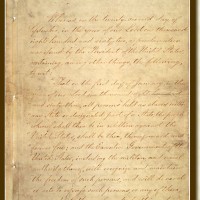
The Emancipation Proclamation, signed 150 years ago today, was a revolutionary achievement, and widely recognized as such at the time…
Click here to read the text of the proclamation.
On New Year’s Eve, 1862, “watch-night” services in auditoriums, churches, camps and cabins united thousands, free as well as enslaved, who sang, prayed and counted down to midnight. At a gathering of runaway slaves in Washington, a man named Thornton wept: “Tomorrow my child is to be sold never more.”
The Day of Jubilee, as Jan. 1, 1863 was called, arrived at last and celebrations of deliverance and freedom commenced. “We are all liberated by this proclamation,” Frederick Douglass observed. “The white man is liberated, the black man is liberated.” The Fourth of July “was great,” he proclaimed, “but the First of January, when we consider it in all its relations and bearings, even greater.”
Yet the day never took hold as Emancipation Day, an occasion to commemorate freedom for all Americans. Nearly three years would pass before the ratification of the 13th Amendment officially abolished slavery. All too quickly, the joy of emancipation succumbed to the reality of a circumscribed freedom in which blacks found themselves the victims of economic injustice and racial discrimination….
In 1963, standing before the Lincoln Memorial, the Rev. Dr. Martin Luther King Jr. labeled the Proclamation a “beacon light of hope” to African-Americans and used the centennial to call for a renewed commitment to civil rights in America. Fifty years later, we might consider what a new Emancipation Proclamation would look like, one written for our times.
It would, above all, focus American and international attention on the millions of people still held in servitude….
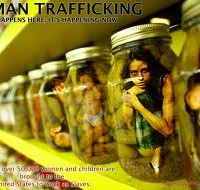
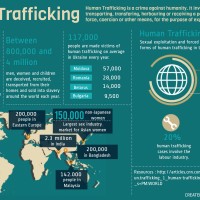
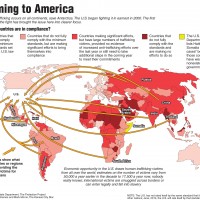
In the United States, thousands are held against their will; minors, especially, are the victims of ruthless exploitation. While other countries are worse offenders, the United States, according to State Department reports, serves as both a source and a destination for the trafficking of children….
Today we should celebrate the extraordinary moment in the nation’s history when slavery yielded to freedom. But the work must continue.
For those who insist they would have been abolitionists during the Civil War, now is the chance to become one.
Click here to find out how many slaves work for you. Click here to help companies eliminate slavery from their supply chain.
Thousands lined up at the National Archive on December 30, 2012 and January 1, 2013 for the free viewing of the original document.
Click here to read the text of the proclamation.
Click here for a description of the programs about the Emancipation Proclamation being presented for the 150th anniversary of the document.
Click here to check out Louis Masur’s new book on the controversy surrounding the proclamation and how President Lincoln managed them: Lincoln’s Hundred Days: The Emancipation Proclamation and the War for the Union.
Comments Are Welcome
Note: We moderate submissions in order to create a space for meaningful dialogue, a space where museum visitors – adults and youth –– can exchange informed, thoughtful, and relevant comments that add value to our exhibits.
Racial slurs, personal attacks, obscenity, profanity, and SHOUTING do not meet the above standard. Such comments are posted in the exhibit Hateful Speech. Commercial promotions, impersonations, and incoherent comments likewise fail to meet our goals, so will not be posted. Submissions longer than 120 words will be shortened.
See our full Comments Policy here.