Why the Virus Is a Civil Rights Issue: ‘The Pain Will Not Be Shared Equally’
Share
Explore Our Galleries









Breaking News!
Today's news and culture by Black and other reporters in the Black and mainstream media.
Ways to Support ABHM?
By Audra D.S. Burch, New York Times
First came early data showing that the coronavirus affected African-Americans disproportionately. Then came the fight for a fair response and recovery.
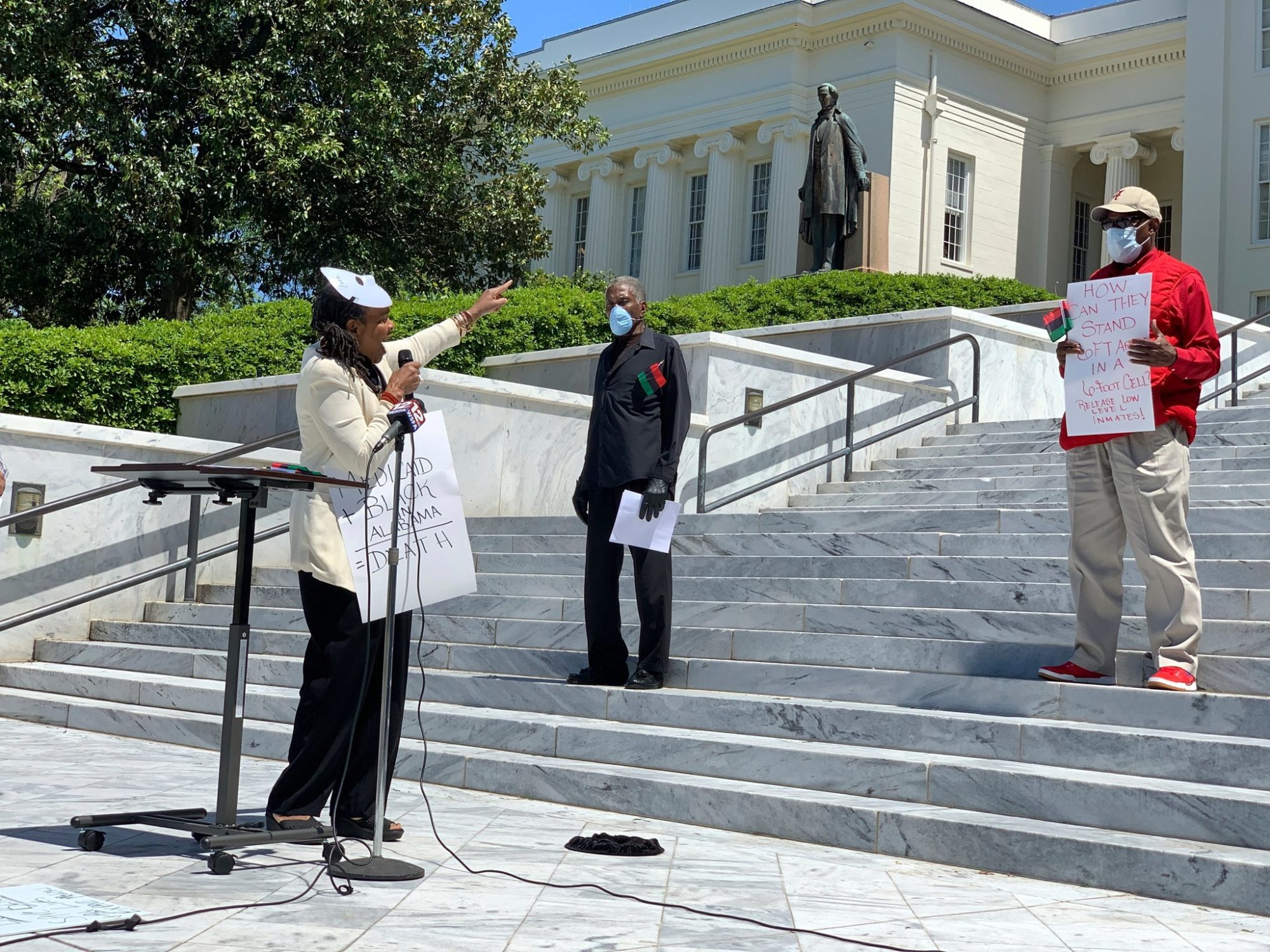
Rallies and marches and other traditional forms of protest are out, given the social distancing restrictions now in place from coast to coast, but activists are organizing campaigns nonetheless aimed at what is emerging as the latest front in the country’s civil rights struggle: the disproportionate impact of the coronavirus on communities of color.
The Covid-19 racial disparity in infections and deaths is viewed as the latest chapter of historical injustices, generational poverty and a flawed health care system. The epidemic has hit African-Americans and Hispanics especially hard, including in New York, where the virus is twice as deadly for those populations.
So in the midst of a national quarantine, civil rights activists are organizing broad, loosely stitched campaigns at home from their laptops and cellphones, creating online platforms and starting petitions to help shape relief and recovery plans. Though digital tools are part of most initiatives, the pandemic is prompting a new kind of creativity to rally support without the power and visceral energy of crowds.
Collectively, the goal is targeted legislation, financial investments and government and corporate accountability. The Rev. Jesse L. Jackson Sr., the longtime civil rights leader, is calling for the creation of a new Kerner Commission to document the “racism and discrimination built into public policies” that make the pandemic measurably worse for some African-Americans.
“It’s really hard to overstate the critical moment we are in as a people, given how this virus has ripped through our community,” said Rashad Robinson, president of Color of Change, the nation’s largest online racial justice organization with 1.7 million members. “We know the pain will not be shared equally…”
Full article here
MoreBreaking News here
See ABHM galleries here
Comments Are Welcome
Note: We moderate submissions in order to create a space for meaningful dialogue, a space where museum visitors – adults and youth –– can exchange informed, thoughtful, and relevant comments that add value to our exhibits.
Racial slurs, personal attacks, obscenity, profanity, and SHOUTING do not meet the above standard. Such comments are posted in the exhibit Hateful Speech. Commercial promotions, impersonations, and incoherent comments likewise fail to meet our goals, so will not be posted. Submissions longer than 120 words will be shortened.
See our full Comments Policy here.