What’s Stopping Black Women From Getting Screened for Cervical Cancer?
Share
Explore Our Galleries









Breaking News!
Today's news and culture by Black and other reporters in the Black and mainstream media.
Ways to Support ABHM?
By Alexa Spencer, Word in Black
Lack of transportation, insurance, and sexual education aren’t the only reasons why Black women struggle to access preventative care.
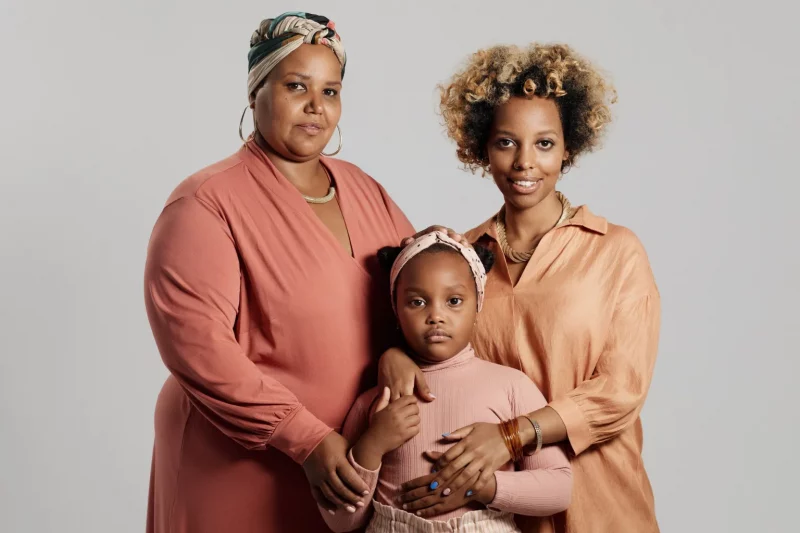
You’ve probably heard this before: Black people don’t trust the medical system.
During the early pandemic, public health agencies hustled to address this barrier when the need to reach Black citizens became a priority. Memories of the Tuskegee Syphilis Experiment became public conversation as some Black folks expressed concern about the COVID-19 vaccine.
Many eventually opted-in to the vaccine after targeted campaigns and reassurance from medical officials.
That fight may be over, but the medical system’s legacy of mistreatment continues to impact Black people in another way — reproductively.
Black women lead in cervical cancer rates, being 41% more likely to develop the disease than white women and 75% more likely to die from it.
While an early screening may protect a woman from developing the disease — which often starts as HPV (human papillomavirus), a common sexually transmitted infection, and progresses into cervical cancer over time — Black women face various barriers to preventative care; including a lack of transportation, insurance, and sexual education.
For some, however, another obstacle may come as a surprise: medical mistrust.
Fortunately, some are fighting for reproductive justice.
Comments Are Welcome
Note: We moderate submissions in order to create a space for meaningful dialogue, a space where museum visitors – adults and youth –– can exchange informed, thoughtful, and relevant comments that add value to our exhibits.
Racial slurs, personal attacks, obscenity, profanity, and SHOUTING do not meet the above standard. Such comments are posted in the exhibit Hateful Speech. Commercial promotions, impersonations, and incoherent comments likewise fail to meet our goals, so will not be posted. Submissions longer than 120 words will be shortened.
See our full Comments Policy here.