What each of us can do to end racism
Share
Explore Our Galleries









Breaking News!
Today's news and culture by Black and other reporters in the Black and mainstream media.
Ways to Support ABHM?
By Diana Diaz-Granados, La Crosse Tribune
The recent killings of black Americans that have sparked protests around the country are not anomalies: Before George Floyd was Eric Garner; before Ahmaud Arbery was gunned down by three white men, James Byrd Jr was beaten, chained and dragged behind a pick-up truck by three white men; and before Breonna Taylor was killed during a no-knock warrant, 7-year-old Aiyana Stanley-Jones suffered the same death.
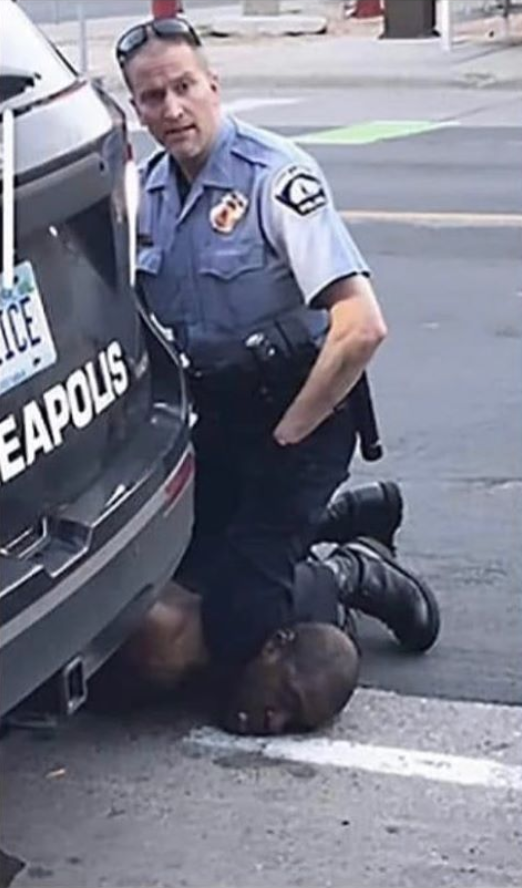
Minneapolis Police Officer Derek killed unarmed 46 year old city resident George Floyd by kneeling on his neck for almost 9 minutes. 3 other officers were also involved. May 25, 2020.
There are many more examples of acts of violence against innocent people of color, examples of disproportionate use of force by police, as well as numerous incidents of bias and hate that have prematurely ended the lives of black Americans.
Imagine walking around in a community that sees your very existence as threatening — where everyday activities also lead to 911 calls: bird watching, using a coupon, mowing the lawn, barbecuing in the park, taking a nap in a dorm, selling water, sitting in a Starbucks, playing in the park, walking down the street wearing a hoodie.
The protests we see across the country are about more than the recent death of George Floyd and police brutality. Racism, segregation, income disparity, lack of investment in communities, education inequality and racial redlining have contributed to poverty, and poor health outcomes, and have communicated for centuries that black lives do not matter as much as white lives.
These protests — this time, however — do feel different. As we watch these events unfold, you may be asking yourself, “What is my role in all of this? What can I do to better understand? How can I bring this understanding to others around me?”
Here are a few suggestions for exploring issues of race, racism and bias.
Learn more about U.S. history so that you are able to understand historical trauma and its impact. Learn about the American slave trade; research the boarding schools used by the federal government to eliminate Native American culture; seek to understand the impact of 100 years of legal racism and segregation by Jim Crow laws. Visit the American Black Holocaust Museum in Milwaukee or take a virtual tour online.
Learn about economic policies that have limited opportunities for African Americans and kept Black communities poor, such the denial of the GI Bill to a million Black World War II veterans, small business loan and mortgage discrimination and redlining despite the federal Fair Housing Act being passed. Learn about the causes and impact of mass incarceration. Books such as “Waking Up White” by Debby Irving, “The New Jim Crow” by Michelle Alexander, or “Stamped from the Beginning: The Definitive History of Racist Ideas in America” by Dr. Ibram X. Kendi discuss these issues. Watch documentaries such as “13th” (Netflix) and “I Am Not Your Negro” (Amazon Prime).
Learn about white privilege. One of the biggest misconceptions about white privilege is thinking that it means that all white people have had an easy life — white privilege is not about having an easy life. Instead, white privilege refers to the concept that the color of your skin did not make your life more challenging. Having white privilege means not being racially profiled and followed around by store security. It means teachers and other adults have generally had higher expectations of you.
The purpose of understanding white privilege is not to promote guilt but rather to promote understanding. Books such as “White Fragility” by Robin DiAngelo and “So You Want to Talk About Race” by Ijeoma Olou are great resources. Robin DiAngelo offers many resources on her website. She lists TED Talks, articles, resources for parents on how to talk to children about race and more.
Donate to organizations that support communities of color. Here are a couple of black-led organizations doing great work for in La Crosse. The Good Fight is a nonprofit that provides programs for at-risk youth. It provides tutoring, mentoring, boxing instruction and other skills training.
Black Leaders Acquiring Collective Knowledge (BLACK) is an organization that seeks to empower and enhance La Crosse’s black community through mentorship of youth and promoting community.
And finally, recognize that learning about your own unconscious biases will take time and work. You will make mistakes and that is OK. Be willing to listen rather than talk. Be curious rather than judgmental. Seek understanding rather than offer opinions. Choose growth over comfort.
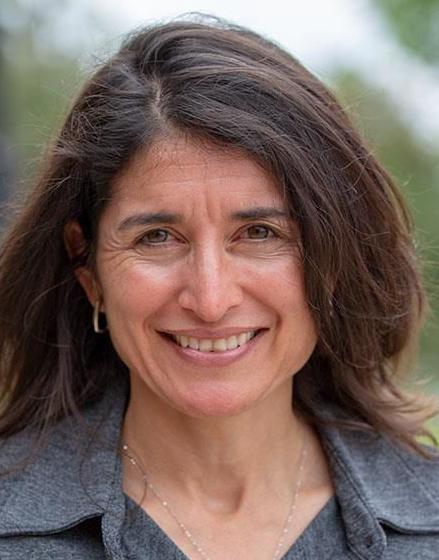
Diana Diaz-Granados
Diana Diaz Granados is a social worker and public health advocate. She is a co-leader of the Creating a Healthier Multicultural Community project and the La Crosse Interfaith Shoulder to Shoulder Network, two initiatives that exist to promote understanding, empathy and peace. Diana is also on staff of Better Together in La Crosse County, a youth mental-health project.
More about
• learning about and working to dismantle racism, click here and here.
• lynching
Comments Are Welcome
Note: We moderate submissions in order to create a space for meaningful dialogue, a space where museum visitors – adults and youth –– can exchange informed, thoughtful, and relevant comments that add value to our exhibits.
Racial slurs, personal attacks, obscenity, profanity, and SHOUTING do not meet the above standard. Such comments are posted in the exhibit Hateful Speech. Commercial promotions, impersonations, and incoherent comments likewise fail to meet our goals, so will not be posted. Submissions longer than 120 words will be shortened.
See our full Comments Policy here.