West Memphis Goes Natural With $16M Infrastructure Project
Share
Explore Our Galleries









Breaking News!
Today's news and culture by Black and other reporters in the Black and mainstream media.
Ways to Support ABHM?
By Willy Blackmore, Word in Black
The Arkansas city becomes one of the few majority-Black cities to get an upgrade that will prevent flooding by restoring wetlands.
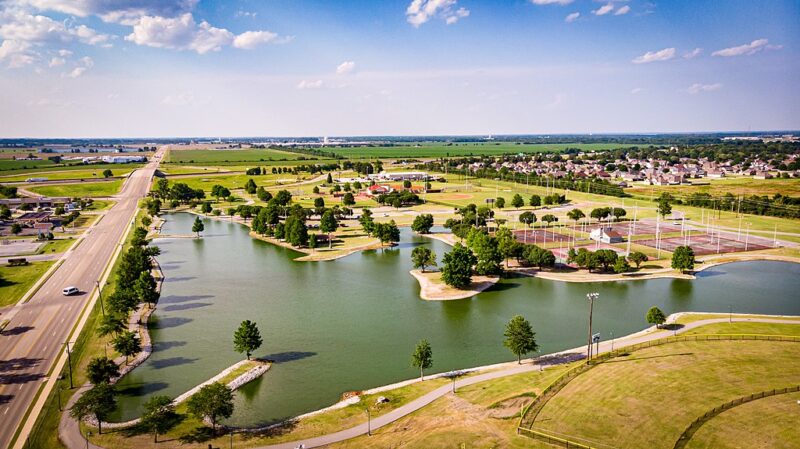
The most obvious divide between Memphis, Tenneseee, and West Memphis, Arkansas is the river that runs between the two cities: the Mississippi.
But there’s another important difference between the east bank of the river and the west that doesn’t have to do with municipalities or state borders. The Memphis side sits on high ground, earning the city the nickname Bluff City, while West Memphis is a mere 11 feet above river level. This makes one side vastly more vulnerable to flooding than the other.
But with a new $16 million federal grant from the Department of Transportation obtained last week, West Memphis is going to lean on its lowland roots. The money will help the city restore hundreds of acres of wetlands along its riverfront as a means of flood control.
The grant is one of many included in an $830 million climate-resiliency package from DOT, which was funded through President Biden’s infrastructure bill. But it stands out for two reasons: it’s one of just a few projects that won’t replace a bridge, rebuild a road or upgrade a more traditional infrastructure project, and it’s taking place in a majority Black city.
“In this particular case, it’s actually investing in what’s called natural infrastructure,” Transportation Secretary Pete Buttigieg told Fox 13 Memphis. “It turns out that by shoring up those wetlands, we can improve their ability to handle and absorb water so that it never creates a problem for I-55, or I-40.”
[…]
The wetland restoration project is targeted at protecting freeways and railways, which are critical to West Memphis’s transportation-hub economy, rather than homes on the floodplain. But because the means of doing so is creating natural areas that will attract hosts of birds and other wildlife, they will provide the city with far more benefits than a concrete flood wall or earthen berm.
Comments Are Welcome
Note: We moderate submissions in order to create a space for meaningful dialogue, a space where museum visitors – adults and youth –– can exchange informed, thoughtful, and relevant comments that add value to our exhibits.
Racial slurs, personal attacks, obscenity, profanity, and SHOUTING do not meet the above standard. Such comments are posted in the exhibit Hateful Speech. Commercial promotions, impersonations, and incoherent comments likewise fail to meet our goals, so will not be posted. Submissions longer than 120 words will be shortened.
See our full Comments Policy here.