We Don’t Need Misogynoir to Critique Kamala Harris
Share
Explore Our Galleries









Breaking News!
Today's news and culture by Black and other reporters in the Black and mainstream media.
Ways to Support ABHM?
By Moya Bailey, Yes Magazine
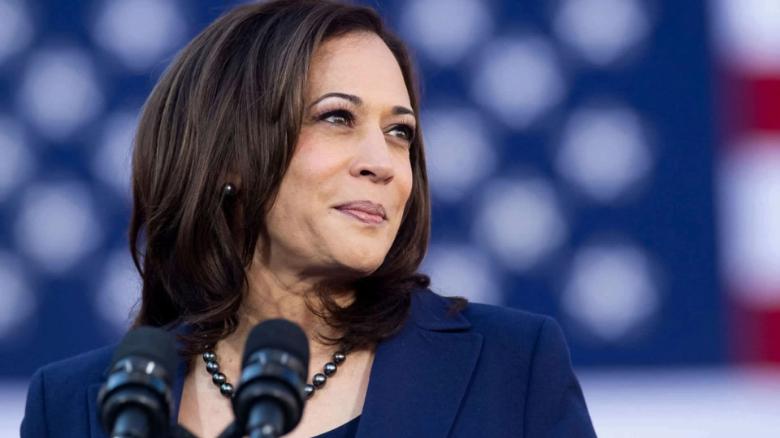
In one of the many plot twists in this la(te)st season of U.S. Empire, Vice President Kamala Harris has emerged as the Democratic Party’s presumptive presidential candidate. Adding to an ever-growing list of firsts, Harris makes history as the first Black and Indian woman to get the party’s nomination. Though Harris raised an unprecedented $81 million in the first 24 hours after President Biden suspended his reelection campaign, this influx of money neither guarantees her White House bid will be successful nor does it represent unequivocal support.
Harris has and should be critiqued. However, there will be critiques grounded in questions of her actual political résumé and those grounded in misogynoir; distinguishing between the two is essential for those who want to make an informed decision when voting in November.
Misogynoir, as I wrote in my 2021 book Misogynoir Transformed: Black Women’s Digital Resistance, is the hate speech and negative media representations that malign Black women (and people read as Black women). The portmanteau describes the anti-Black racism and misogyny that sickly and synergistically creates a destructive force greater than the sum of its parts, shaping how Black women are viewed and subsequently treated in the world.
[…]
The misogynoir Harris will face is nothing new, coming from purported allies before she ever became the presumptive nominee.
Follow the upcoming president election and more new stories.
Comments Are Welcome
Note: We moderate submissions in order to create a space for meaningful dialogue, a space where museum visitors – adults and youth –– can exchange informed, thoughtful, and relevant comments that add value to our exhibits.
Racial slurs, personal attacks, obscenity, profanity, and SHOUTING do not meet the above standard. Such comments are posted in the exhibit Hateful Speech. Commercial promotions, impersonations, and incoherent comments likewise fail to meet our goals, so will not be posted. Submissions longer than 120 words will be shortened.
See our full Comments Policy here.