True Believers in Justice: Attorney Travis Williams
Share
Explore Our Galleries









Breaking News!
Today's news and culture by Black and other reporters in the Black and mainstream media.
Ways to Support ABHM?
By Dawn Porter, New York Times
I’d always wanted to be a lawyer, but unlike Travis Williams — the subject of this Op-Doc video — I never wanted to be a public defender. I didn’t understand how anyone could represent people who did terrible things. “Criminals” were not people I wanted to help.
Then, in 2009, while working in the legal department at A&E Television, I met Jonathan Rapping, the founder of what’s now Gideon’s Promise. He invited me to his client-centered legal training program in Alabama. At the start of training, Mr. Rapping asked each lawyer to articulate why he or she chose to become a public defender. One young man said he had a brother with Down syndrome, so he wanted to help people who could not navigate the legal system for themselves. Another said he had been arrested as a teenager, so he wanted to help kids like him who didn’t know their rights. Their stories moved me. I learned more about the true state of the criminal justice system during that week than I knew from all my years practicing law. I wanted other people to learn about what they were doing and so I decided to make this film.

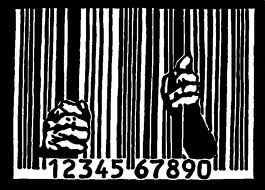
I was horrified by what I learned about the criminal justice system. Innocent people, in prison for months or years, sometimes plead guilty to get out of jail; onerous sentences are too often given for minor crimes; people can lose civil rights, like the right to vote, as a result of criminal convictions. In America, a felony conviction can be a lifelong sentence. In America, a felony conviction can be a lifelong sentence because of this multitude of collateral consequences.
I also saw what a difference it made to have lawyers like Travis fighting hard for poor people’s rights. I saw him tell clients and their families that they were facing long sentences, outrageous bail terms or prison. But I saw him deliver even the worst news with compassion, and I saw him fight for every client. He’s inspired me to judge less and listen more, to try to put myself in the position of people who face a terribly structured system that often provides justice to neither the victim nor the accused. Thanks to Travis and the other young lawyers I met on this journey, I can proudly say I’m a “true believer” in their cause.
Watch Porter’s 6-minute video about Travis Williams, public defender and unsung hero, here.
Why are so many Black men in prison?
Read more Breaking News here.
Comments Are Welcome
Note: We moderate submissions in order to create a space for meaningful dialogue, a space where museum visitors – adults and youth –– can exchange informed, thoughtful, and relevant comments that add value to our exhibits.
Racial slurs, personal attacks, obscenity, profanity, and SHOUTING do not meet the above standard. Such comments are posted in the exhibit Hateful Speech. Commercial promotions, impersonations, and incoherent comments likewise fail to meet our goals, so will not be posted. Submissions longer than 120 words will be shortened.
See our full Comments Policy here.