Trayvon Martin, My Son, And The Black Male Code
Share
Explore Our Galleries









Breaking News!
Today's news and culture by Black and other reporters in the Black and mainstream media.
Ways to Support ABHM?
Jesse Washington, NBC
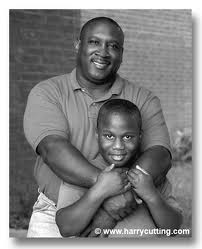
I thought my son would be much older before I had to tell him about the Black Male Code. He’s only 12, still sleeping with stuffed animals, still afraid of the dark. But after the Trayvon Martin tragedy, I needed to explain to my child that soon people might be afraid of him.
We were in the car on the way to school when a story about Martin came on the radio. “The guy who killed him should get arrested. The dead guy was unarmed!” my son said after hearing that neighborhood watch captain George Zimmerman had claimed self-defense in the shooting in Sanford, Fla.
We listened to the rest of the story, describing how Zimmerman had spotted Martin, who was 17, walking home from the store on a rainy night, the hood of his sweatshirt pulled over his head. When it was over, I turned off the radio and told my son about the rules he needs to follow to avoid becoming another Trayvon Martin — a black male who Zimmerman assumed was “suspicious” and “up to no good.”
As I explained it, the Code goes like this:
Always pay close attention to your surroundings, son, especially if you are in an affluent neighborhood where black folks are few. Understand that even though you are not a criminal, some people might assume you are, especially if you are wearing certain clothes.
Washington’s explanation continues here.
Black fathers also share trauma over losing their sons.
Comments Are Welcome
Note: We moderate submissions in order to create a space for meaningful dialogue, a space where museum visitors – adults and youth –– can exchange informed, thoughtful, and relevant comments that add value to our exhibits.
Racial slurs, personal attacks, obscenity, profanity, and SHOUTING do not meet the above standard. Such comments are posted in the exhibit Hateful Speech. Commercial promotions, impersonations, and incoherent comments likewise fail to meet our goals, so will not be posted. Submissions longer than 120 words will be shortened.
See our full Comments Policy here.