Trappist abbey’s meditation garden honors enslaved people who once worked the land
Share
Explore Our Galleries









Breaking News!
Today's news and culture by Black and other reporters in the Black and mainstream media.
Ways to Support ABHM?
By Nate Tinner-Williams, National Catholic Reporter
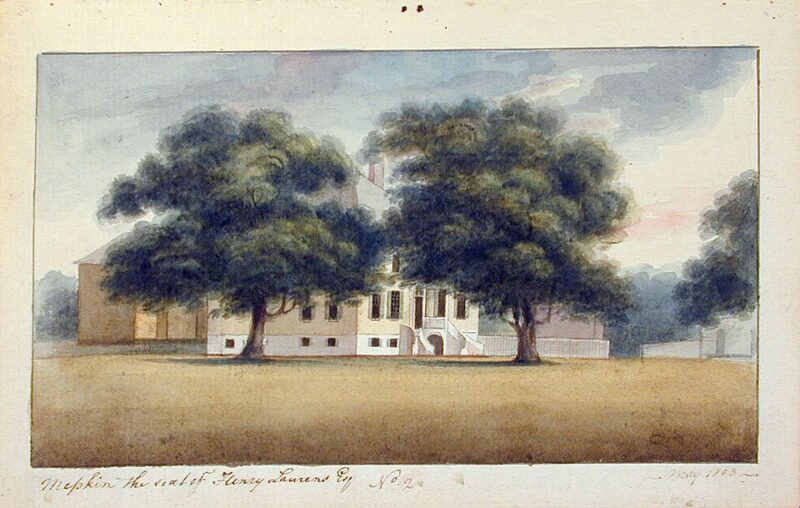
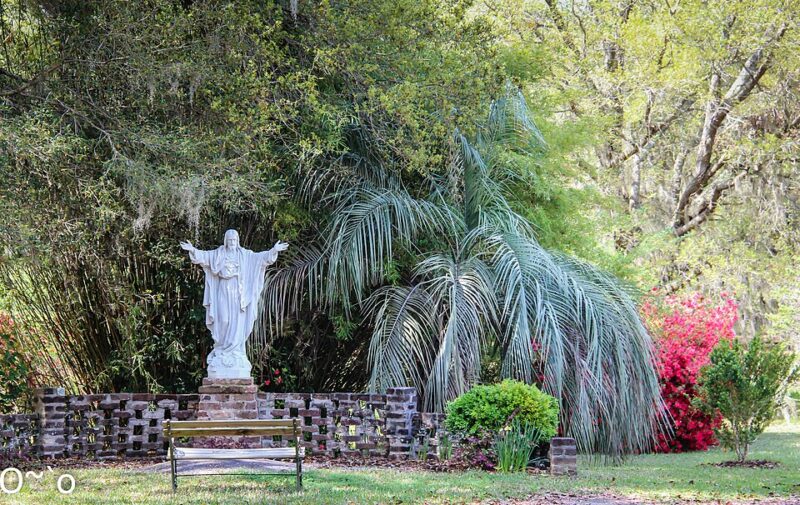
Mepkin Abbey, a Trappist monastery in rural South Carolina, has inaugurated a new meditation garden memorializing the enslaved African Americans and Indigenous who once worked the land, part of a larger effort for atonement at the 76-year-old institution.
A blessing ceremony with Bishop Jacques Fabre-Jeune of Charleston, South Carolina, took place April 26 at the property in Moncks Corner, which functioned as Mepkin Plantation under prominent British colonists beginning in the late 18th century.

“We don’t have to be upset. Truth can always hurt,” said Fabre-Jeune, a Haitian-born prelate who is the first Black Catholic bishop in South Carolina.
“We don’t like when people tell us the truth. We feel uncomfortable. But after that experience, we know that it was good for us.”
Built in the 1760s, the complex served as the home of Henry Laurens, a Founding Father who served as a president of the Second Continental Congress. His wealth came largely from his involvement in Austin and Laurens, the largest trafficking house in North America. He held some 50 African Americans in bondage at Mepkin.
Keep reading to learn how it evolved into a Trappist monastery.
Meanwhile, another former plantation recently burned.
Follow the latest Black news.
Comments Are Welcome
Note: We moderate submissions in order to create a space for meaningful dialogue, a space where museum visitors – adults and youth –– can exchange informed, thoughtful, and relevant comments that add value to our exhibits.
Racial slurs, personal attacks, obscenity, profanity, and SHOUTING do not meet the above standard. Such comments are posted in the exhibit Hateful Speech. Commercial promotions, impersonations, and incoherent comments likewise fail to meet our goals, so will not be posted. Submissions longer than 120 words will be shortened.
See our full Comments Policy here.