Trailblazing Black feminist and social critic bell hooks dies at 69
Share
Explore Our Galleries









Breaking News!
Today's news and culture by Black and other reporters in the Black and mainstream media.
Ways to Support ABHM?
By Harrison Smith, Washington Post
Trailblazing Black feminist bell hooks, whose graceful, probing and wide-ranging books sought to empower people of all races, classes and genders, anticipating and helping shape ongoing debates about justice and discrimination in the United States, died Dec. 15 at her home in Berea, Ky. She was 69.
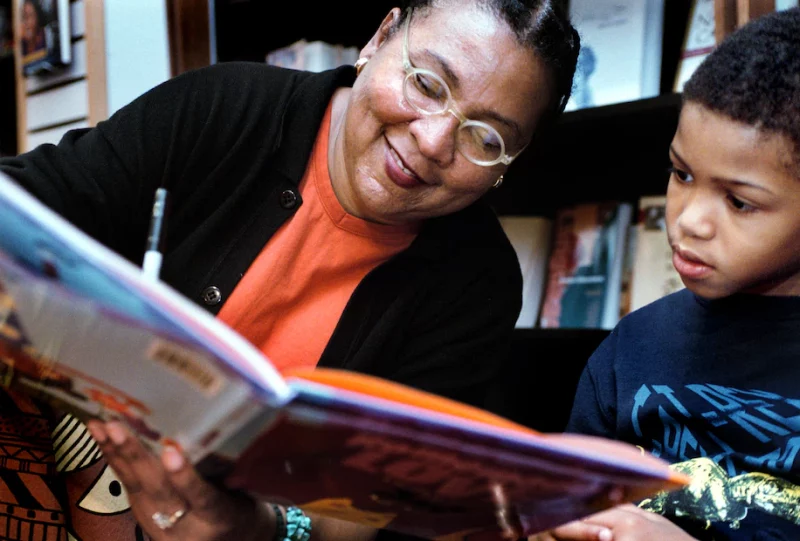
The cause was end-stage renal failure, said her sister Gwenda Motley. Dr. hooks had been on the faculty of Berea College since 2004, serving as distinguished professor in residence in Appalachian studies.
A poet, memoirist, social critic and scholar, she wrote more than 30 books, mixing the personal and the political as she examined Madonna music videos, Clarence Thomas’s Supreme Court confirmation hearing, the representation of Black Americans in film and the nature of love.
Honing a voice that was by turns fiery and uplifting, earnest and wry, Dr. hooks became known as one of the country’s leading feminist theorists — a “rare rock star of a public intellectual,” as Time magazine put it last year. She appeared on panels with scholars such as Cornel West and Henry Louis Gates Jr. while reaching readers far outside the academy, expanding her audience through self-help and children’s books.
Read the full article here.
Learn more about Black Lives Matter in children’s books here.
More Breaking News here.
Comments Are Welcome
Note: We moderate submissions in order to create a space for meaningful dialogue, a space where museum visitors – adults and youth –– can exchange informed, thoughtful, and relevant comments that add value to our exhibits.
Racial slurs, personal attacks, obscenity, profanity, and SHOUTING do not meet the above standard. Such comments are posted in the exhibit Hateful Speech. Commercial promotions, impersonations, and incoherent comments likewise fail to meet our goals, so will not be posted. Submissions longer than 120 words will be shortened.
See our full Comments Policy here.