Today Marks the Founding of the Association for the Study of African American Life and History
Share
Explore Our Galleries









Breaking News!
Today's news and culture by Black and other reporters in the Black and mainstream media.
Ways to Support ABHM?
From ASALH
Dr. Carter G. Woodson (1875-1950), known as the “Father of Black History,” founded the ASALH (Association for the Study of African American Life and History) on this day in 1915.
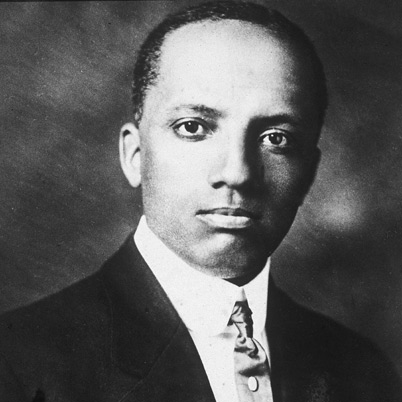
The son of former slaves, Woodson understood how important gaining a proper education is when striving to secure and make the most out of one’s divine right of freedom. Although he did not begin his formal education until he was 20 years old, his dedication to study enabled him to earn a high school diploma in West Virginia and bachelor and master’s degrees from the University of Chicago in just a few years. In 1912, Woodson became the second African American to earn a PhD at Harvard University.
Under Woodson’s pioneering leadership, ASALH created research and publication outlets for black scholars with the establishment of the Journal of Negro History (1916) and the Negro History Bulletin (1937), which garners a popular public appeal.
In 1926, Dr. Woodson initiated the celebration of Negro History Week, which corresponded with the birthdays of Frederick Douglass and Abraham Lincoln. In 1976, this celebration was expanded to include the entire month of February, and today Black History Month garners support throughout the country as people of all ethnic and social backgrounds discuss the black experience. ASALH views the promotion of Black History Month as one of the most important components of advancing Dr. Woodson’s legacy.
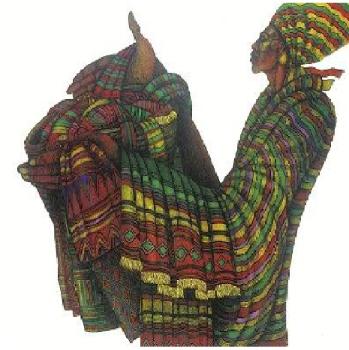
The organization continues Woodson’s legacy of speaking a fundamental truth to the world – that Africans and peoples of African descent are makers of history and co-workers in what W. E. B. Du Bois called, “The Kingdom of Culture.” ASALH’s mission is to create and disseminate knowledge about Black History, to be the nexus between the Ivory Tower and the global public.
In honor of all the work that Dr. Carter G. Woodson has done to promote the study of African American History, an ornament of Woodson hangs on the White House’s Christmas tree each year.
Learn more about ASALH’s history and events.
More breaking news here.
Comments Are Welcome
Note: We moderate submissions in order to create a space for meaningful dialogue, a space where museum visitors – adults and youth –– can exchange informed, thoughtful, and relevant comments that add value to our exhibits.
Racial slurs, personal attacks, obscenity, profanity, and SHOUTING do not meet the above standard. Such comments are posted in the exhibit Hateful Speech. Commercial promotions, impersonations, and incoherent comments likewise fail to meet our goals, so will not be posted. Submissions longer than 120 words will be shortened.
See our full Comments Policy here.