‘This report is unflinching’: Harvard University confronts its ties to slavery
Share
Explore Our Galleries









Breaking News!
Today's news and culture by Black and other reporters in the Black and mainstream media.
Ways to Support ABHM?
By Mike Damiano, Boston Globe
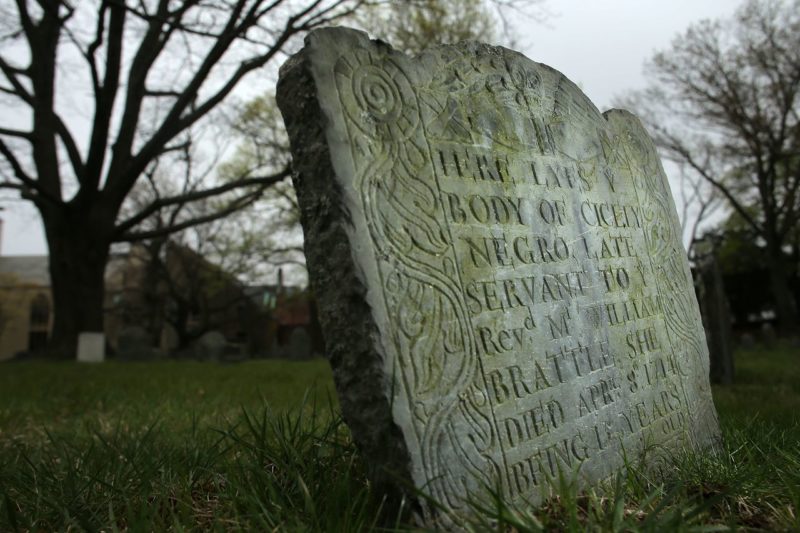
For nearly 400 years, Harvard’s most famous motto has been a single word, Veritas, or truth. In the spirit of that slogan, university officials said, Harvard on Tuesday published the first full accounting of the institution’s historical ties to slavery.
In a sweeping report, the university also acknowledged its complicity in 19th-century “race science” and 20th-century racial discrimination, and announced the creation of a $100 million fund to address the legacies of slavery, including inequalities in educational outcomes, that persist to this day.
“Harvard benefited from and in some ways perpetuated practices that were profoundly immoral,” Harvard president Lawrence Bacow wrote in a letter to the university community about the report. “Consequently, I believe we bear a moral responsibility to do what we can to address the persistent corrosive effects of those historical practices on individuals, on Harvard, and on our society.”
The report, produced by a team of faculty and student researchers led by a high-ranking dean, describes a range of ties to slavery dating from the university’s founding in the 17th century to abolition in the 19th.
Find out what’s inside the report by finishing the article.
Harvard has been significant to civil rights in some ways, including being the birthplace of critical race theory. College campuses have also historically been the site of many protests.
Don’t forget to keep apprised of the latest Black culture and identity news.
Comments Are Welcome
Note: We moderate submissions in order to create a space for meaningful dialogue, a space where museum visitors – adults and youth –– can exchange informed, thoughtful, and relevant comments that add value to our exhibits.
Racial slurs, personal attacks, obscenity, profanity, and SHOUTING do not meet the above standard. Such comments are posted in the exhibit Hateful Speech. Commercial promotions, impersonations, and incoherent comments likewise fail to meet our goals, so will not be posted. Submissions longer than 120 words will be shortened.
See our full Comments Policy here.