The State of Black America’s Drug Overdose Epidemic
Share
Explore Our Galleries









Breaking News!
Today's news and culture by Black and other reporters in the Black and mainstream media.
Ways to Support ABHM?
By Anissa Durham, Word in Black
In the last two years, drug overdose deaths have declined by about 10% nationally. But Black Americans are still dying at alarming rates.
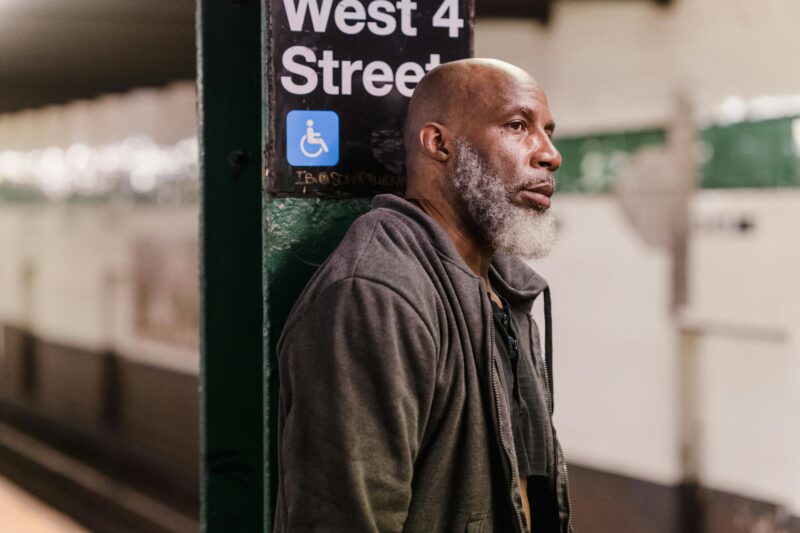
We call them addicts. Users. Drug seekers — and we see them as less than human.
We often assume unhoused people living in tents under freeway overpasses are substance users. But it’s our neighbors, our loved ones, and our family. The reality is that most Americans know someone who struggles with substance use. And for Black America, there’s a drug overdose epidemic.
“We have historically criminalized substance use in Black and Brown communities — the view has been very harsh. It’s almost as if it’s a throwaway population,” says Saeeda Dunston, CEO of Elmcor Youth & Adult Activities, a Queens, New York-based nonprofit service agency focused on substance use, prevention, and recovery.
In the United States, the mortality rate for drug overdoses reached an all-time high in 2022. Over the past two years, deaths have declined by approximately 10% nationwide. But when broken down by different ethnicities, Black Americans are still dying at alarming rates.
Anissa Durham asks why Black folks keep dying from overdoses.
Comments Are Welcome
Note: We moderate submissions in order to create a space for meaningful dialogue, a space where museum visitors – adults and youth –– can exchange informed, thoughtful, and relevant comments that add value to our exhibits.
Racial slurs, personal attacks, obscenity, profanity, and SHOUTING do not meet the above standard. Such comments are posted in the exhibit Hateful Speech. Commercial promotions, impersonations, and incoherent comments likewise fail to meet our goals, so will not be posted. Submissions longer than 120 words will be shortened.
See our full Comments Policy here.