The Forgotten Tale of How Black Psychiatrists Helped Make ‘Sesame Street’
Share
Explore Our Galleries









Breaking News!
Today's news and culture by Black and other reporters in the Black and mainstream media.
Ways to Support ABHM?
The children’s television show entranced preschoolers—and helped teach impressionable black kids.
By Undark Magazine
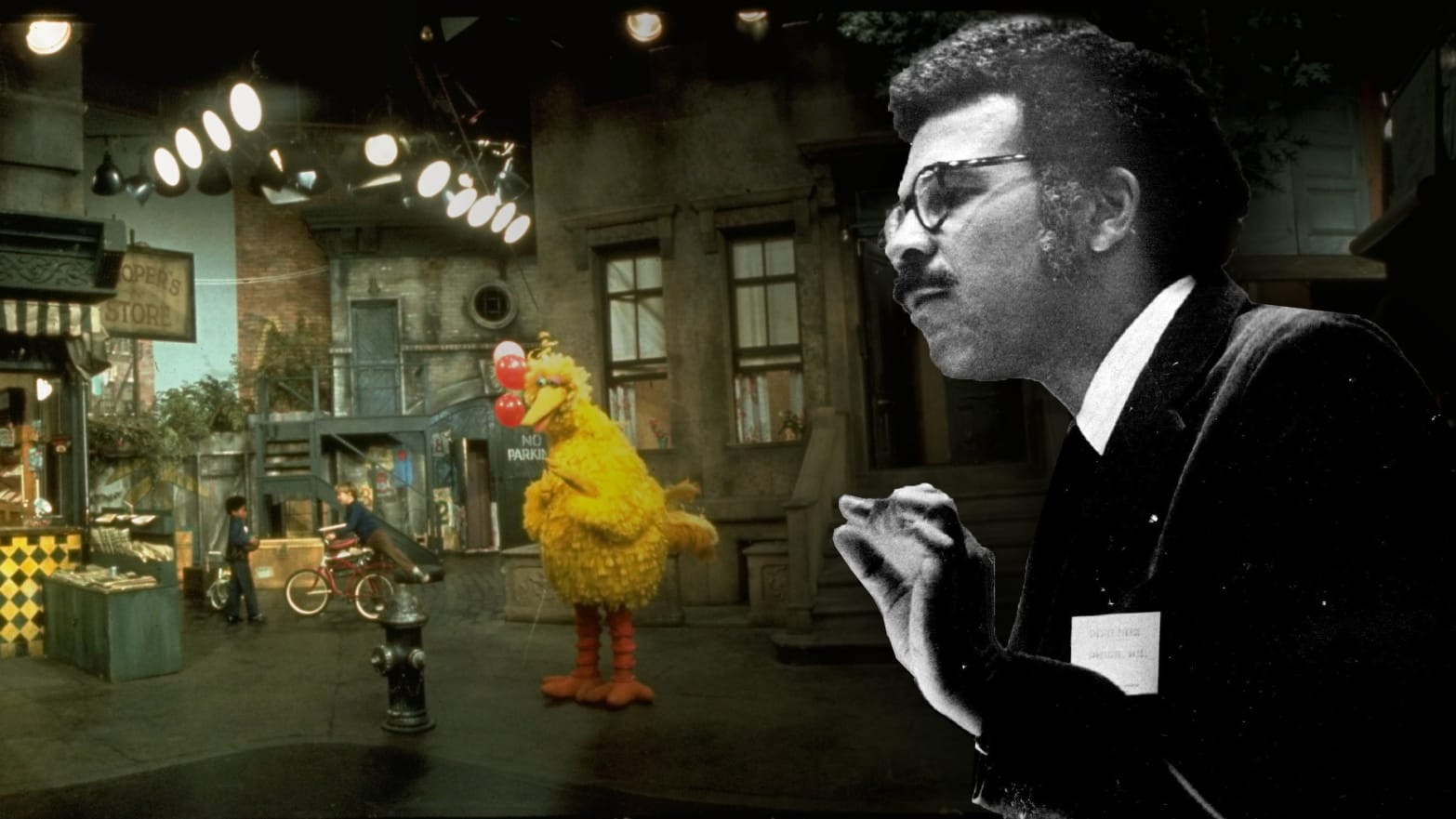
In the wake of the assassination of Martin Luther King Jr. on April 4, 1968, a newly formed group called the Black Psychiatrists of America began to challenge their white colleagues to think about racism in a new way. Its members had been discussing for some time the possibility of creating an organization that would address their lack of representation within the key bodies of American psychiatry. But now, as one of these men, Dr. Chester Pierce, later put it ”we anguished in our grief for a great moderate leader,” and it seemed that the time for moderation on their side was also over. In Pierce’s words: “As we listened to radio reports and called to various sections of the country for the on-the spot reports in inner cities, our moderation weakened and our alarm hardened.”
Racism had led directly to King’s assassination, and not only had white psychiatry consistently failed to take racism seriously; it had, in ways both subtle and overt, enabled it.
The decision was thus made to organize black psychiatrists into an independent body that would use tactics of the civil rights movement to force American psychiatry to acknowledge both its own racism and its professional responsibility to address the scourge of racism in the country.
On May 8, 1969, representatives from the Black Psychiatrists of America interrupted the trustees of the American Psychiatric Association while they were eating breakfast, and presented them with a list of demands. These included a significant increase in African-American representation on APA committees, task forces, and other positions of leadership; a call for the APA to commit itself to desegregating mental health facilities; and a demand that any individual member of the society who was found to be guilty of racial discrimination be barred from practicing psychiatry.
Chester Pierce—the founding president of the Black Psychiatrists of America—was most concerned about the pernicious influence of one institution in particular: television. By 1969, virtually every American family home had at least one set. As one commentator at the time observed: “American homes have more television sets than bathtubs, refrigerators or telephones; 95 percent of American homes have television sets.”
Small children of all ethnicities were growing up glued to TV screens. This worried Pierce, because he was not just a psychiatrist but also a professor of early childhood education. And from a public health standpoint, he believed, television was a prime “carrier” of demeaning messages that undermined the mental health of vulnerable young black children in particular…
Read full article here
More Breaking News here
View more ABHM galleries here
Comments Are Welcome
Note: We moderate submissions in order to create a space for meaningful dialogue, a space where museum visitors – adults and youth –– can exchange informed, thoughtful, and relevant comments that add value to our exhibits.
Racial slurs, personal attacks, obscenity, profanity, and SHOUTING do not meet the above standard. Such comments are posted in the exhibit Hateful Speech. Commercial promotions, impersonations, and incoherent comments likewise fail to meet our goals, so will not be posted. Submissions longer than 120 words will be shortened.
See our full Comments Policy here.