The Crucial Legacy of the Black Aunt
Share
Explore Our Galleries









Breaking News!
Today's news and culture by Black and other reporters in the Black and mainstream media.
Ways to Support ABHM?
By Jennifer Perry, Jezebel
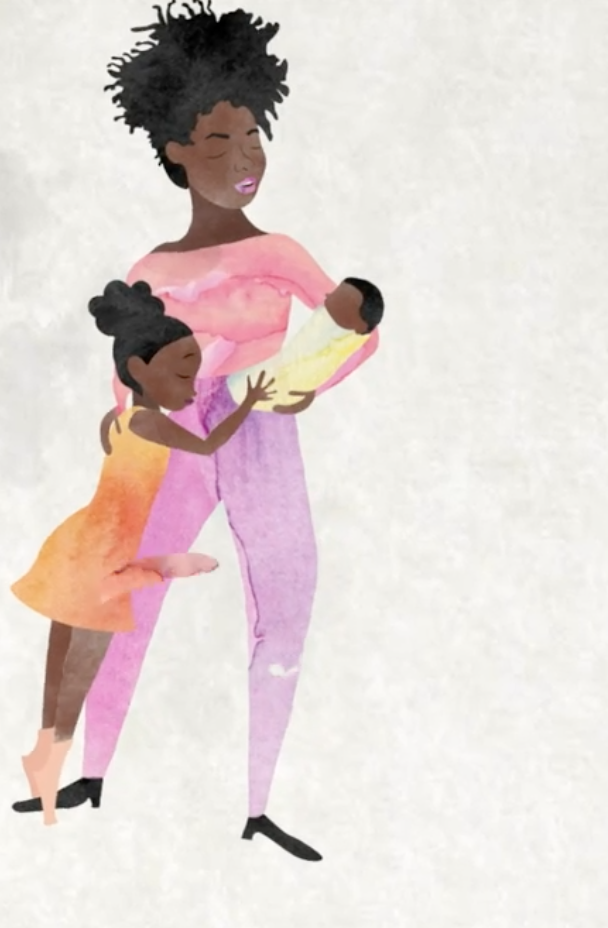
From the beautiful video Black Aunts and the Hidden History of African American Survival.
When it comes to Black families, there is no role more imitated, meme’d, or recognizable than aunt. Whether the aunt you claim is kin or “play,” the role is somewhat universal—a supportive woman in your life, younger than grandma, that bridges familial bonds between children and parents.
For the video above, Jezebel spoke with Dr. Regina Davis-Sowers, a scholar, lecturer, and Black aunt who has conducted and written perhaps some of the only academic studies on Black aunts and their experiences. She believes that the reason why such research is scarce is that the history of survival behind the Black aunt, dating back to before slavery, has gone largely unnoticed.
“In West Africa, we lived in extended families. Children were seen as being every woman’s child, not just the child of their mother,” Dr. Davis-Sowers explains…
“Many of the Africans who were stolen and brought to America as slaves, came from that part of Africa. And they brought that sense of extended family with them. And that’s why they were able to survive slavery, because they could depend on each other.”
“It is time to celebrate the Black aunt.”
Watch the video Black Aunts and the Hidden History of African American Survival.
More information about Black Families here and here
More Breaking News here.
Comments Are Welcome
Note: We moderate submissions in order to create a space for meaningful dialogue, a space where museum visitors – adults and youth –– can exchange informed, thoughtful, and relevant comments that add value to our exhibits.
Racial slurs, personal attacks, obscenity, profanity, and SHOUTING do not meet the above standard. Such comments are posted in the exhibit Hateful Speech. Commercial promotions, impersonations, and incoherent comments likewise fail to meet our goals, so will not be posted. Submissions longer than 120 words will be shortened.
See our full Comments Policy here.