The “Beautiful” Budget Bill Is Pretty Ugly for Black Americans
Share
Explore Our Galleries









Breaking News!
Today's news and culture by Black and other reporters in the Black and mainstream media.
Ways to Support ABHM?
by Jennifer Porter Gore, Word in Black
Donald Trump’s signature legislative package calls for deep cuts in America’s safety net. As a result, experts say millions of Black people will fall through.
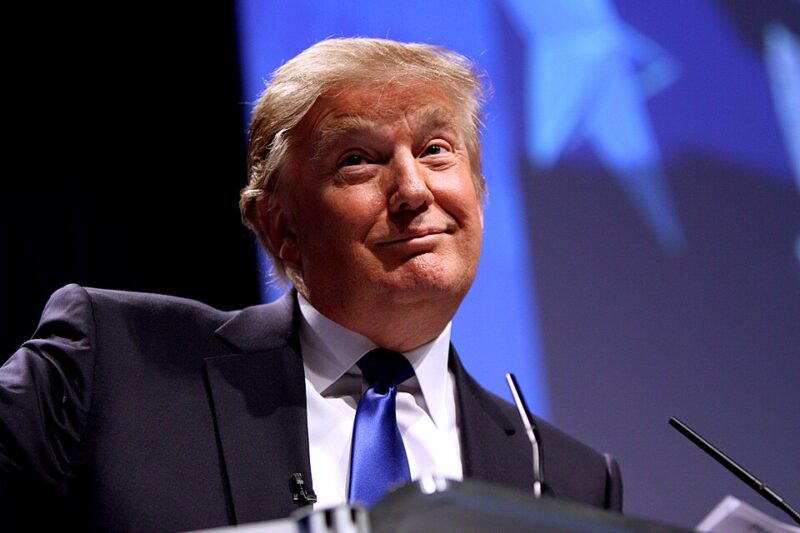
Talk to most experts, and it’s clear that the Trump Administration’s massive, much-hyped budget proposal — the so-called “Big Beautiful Bill,” currently working its way through Congress — confirms that beauty is in the eye of the beholder.
And if it becomes law, they say, the future won’t look good for Black Americans.
The bill takes a chainsaw to government programs that members of the Black community disproportionately depend on for healthcare. It calls for hollowing out Medicaid, as well as a legislative sleight-of-hand that all but repeals the Affordable Care Act, a.k.a Obamacare. Experts say those two provisions alone could cause 14 million people, a sizable percentage of whom are Black, to lose access to healthcare insurance.
But the bill also calls for deep cuts to public health agencies, as well as slashing the budget for the anti-poverty program known as food stamps and ending government reimbursements to nonprofits that provide Black women with free or reduced-cost reproductive healthcare.
These cuts, experts say, will disparately hurt Black Americans and will push the poor deeper into poverty while the wealthy will benefit.
Learn why cuts to Medicaid and Supplemental Nutrition Assistance Program (SNAP) benefits will be the most damaging.
Comments Are Welcome
Note: We moderate submissions in order to create a space for meaningful dialogue, a space where museum visitors – adults and youth –– can exchange informed, thoughtful, and relevant comments that add value to our exhibits.
Racial slurs, personal attacks, obscenity, profanity, and SHOUTING do not meet the above standard. Such comments are posted in the exhibit Hateful Speech. Commercial promotions, impersonations, and incoherent comments likewise fail to meet our goals, so will not be posted. Submissions longer than 120 words will be shortened.
See our full Comments Policy here.