Tennessee’s largest county to study reparations for descendants of enslaved people
Share
Explore Our Galleries









Breaking News!
Today's news and culture by Black and other reporters in the Black and mainstream media.
Ways to Support ABHM?
By Alicia Victoria Lozano, NBC News
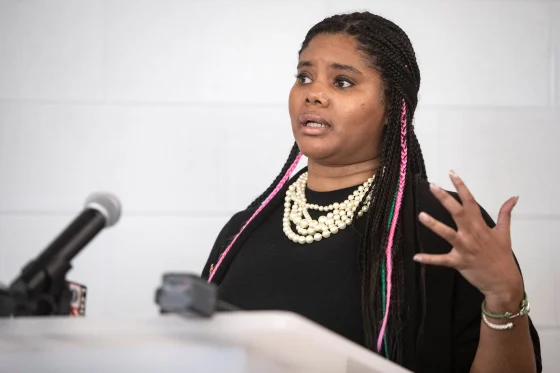
Officials in Tennessee’s largest county, which includes Memphis, voted Wednesday to study reparations for descendants of enslaved people, adding to a growing list of local and state governments that are considering or are launching similar programs.
The Shelby County resolution will allocate $5 million to study and find “actionable items” addressing five key areas: increased access to affordable housing and homeownership, health care parity, criminal justice reform, enhanced career opportunities, and financial literacy and generational wealth.
The resolution was overwhelmingly approved with the support of all eight Black members of the 13-member Board of County Commissioners on the heels of widespread outrage over the beating death of Tyre Nichols, who was killed by Memphis police officers last month.
[…]
But Commissioner Mick Wright, who voted against the resolution, said the county is short the $5 million to pay for the study and to develop a framework to implement it.
Discover what might prevent reparations from becoming a reality.
Check out ABHM’s online galleries to learn more about the impact of slavery.
Find more stories about Tyre Nichols in our breaking news archive.
Comments Are Welcome
Note: We moderate submissions in order to create a space for meaningful dialogue, a space where museum visitors – adults and youth –– can exchange informed, thoughtful, and relevant comments that add value to our exhibits.
Racial slurs, personal attacks, obscenity, profanity, and SHOUTING do not meet the above standard. Such comments are posted in the exhibit Hateful Speech. Commercial promotions, impersonations, and incoherent comments likewise fail to meet our goals, so will not be posted. Submissions longer than 120 words will be shortened.
See our full Comments Policy here.