Stopping Domestic Violence in the Black Community
Share
Explore Our Galleries









Breaking News!
Today's news and culture by Black and other reporters in the Black and mainstream media.
Ways to Support ABHM?
By Anissa Durham, Word in Black
In a Twitter Space conversation, a former prosecutor, reporter, and an advocate of intimate partner violence join WIB health data reporter Anissa Durham to discuss domestic violence in the Black community, why it’s ongoing and how we can heal.
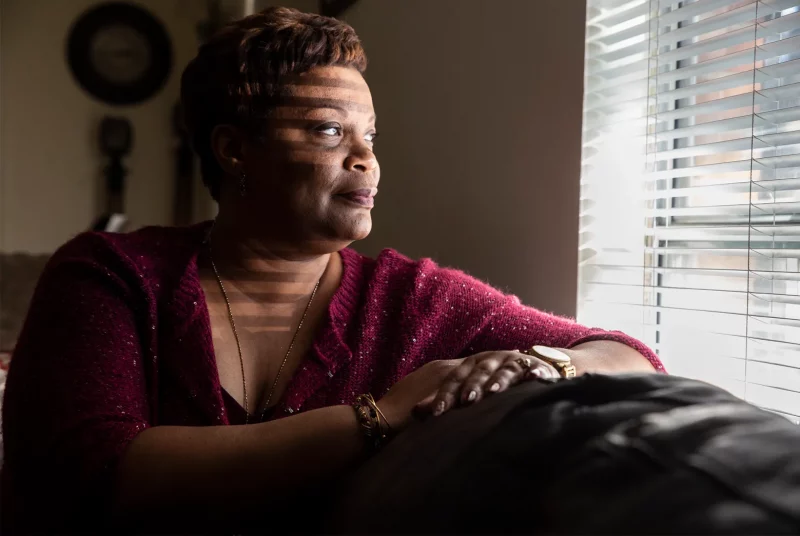
‘What happens in this house, stays in this house’ — that’s a saying most Black families are used to hearing. But when it comes to domestic violence in our community, this statement can leave folks stuck in abusive relationships.
That’s why in an October 26 Twitter Space discussion, “Stop Domestic Violence in the Black Community,” we took a deep dive into addressing stigma, the justice system, and holding our community accountable to see how we can put an end to domestic violence and heal from its generational wounds.
Our panel included former prosecutor Christina Jones, who is now the Chief Executive of External Relations for the Battered Women’s Justice Project; Angela Lee, the director of Love is Respect, a project of The National Domestic Violence Hotline; and Genoa Barrow, the senior staff reporter at The Sacramento Observer.
[…]
As a Black woman and former prosecutor, Jones said adding more laws may adversely affect and impact those from historically marginalized communities. But, she said the justice system can do a better job of enforcing the laws to protect women who are in domestically abusive relationships.
Still, it’s not all on the justice system, Jones said. Our community has to do a better job of holding itself accountable, starting with the household, our family, and our friends.
Lee, who has worked on the front lines of The National Domestic Violence Hotline, said it’s crucial to recognize domestic violence can happen to anyone — and it’s happening more and more to our youth.
Read or listen to the full article.
Domestic violence against Black women doesn’t receive much press, nor is it a cornerstone of the gun control argument.
More Black culture news.
Comments Are Welcome
Note: We moderate submissions in order to create a space for meaningful dialogue, a space where museum visitors – adults and youth –– can exchange informed, thoughtful, and relevant comments that add value to our exhibits.
Racial slurs, personal attacks, obscenity, profanity, and SHOUTING do not meet the above standard. Such comments are posted in the exhibit Hateful Speech. Commercial promotions, impersonations, and incoherent comments likewise fail to meet our goals, so will not be posted. Submissions longer than 120 words will be shortened.
See our full Comments Policy here.