SPLC report: Medicaid expansion can rectify harm to Black people in Deep South
Share
Explore Our Galleries









Breaking News!
Today's news and culture by Black and other reporters in the Black and mainstream media.
Ways to Support ABHM?
By Lindsey Shelton, SPLC
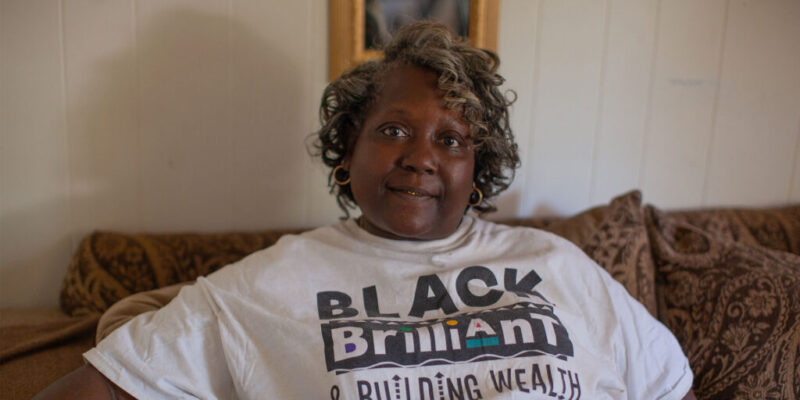
For decades, Tina Payne’s hands moved with mechanical precision, operating machinery in a catfish processing plant in the Mississippi Delta. The grueling labor took a lasting toll on Payne’s body, leaving her with multiple injuries that eventually led to her disability.
When Payne applied for Medicaid, she expected the system she had paid into for years would be a safety net. Instead, she endured months of red tape only to receive a denial that left her both in pain and without coverage.
“It’s so hard for us to get help,” Payne said. “I feel that it’s wrong for you to go out there and work all these years, and you can’t get anything when you need it.”
She was eventually able to enroll in Medicaid after months of relying on her family and friends for help, rationing medication and skipping doctor’s appointments she could not afford.
Now 58, Payne is one of many Black Mississippians whose struggle to access Medicaid is more than a bureaucratic failure. It is part of a much older story about how the South has long denied Black people access to care, dignity and rest. Individual states and the federal government, which covers the majority of costs, jointly fund Medicaid. It is the primary government program covering health care insurance for people with limited incomes.
Yet in states like Mississippi, which still has not expanded the program under the Affordable Care Act (ACA), many people fall into the “coverage gap.” For Black Soeutherners, this gap echoes generations of exclusion. From slavery to the present day, the health of Black communities has been exploited and neglected, even as Black bodies were used to build the foundations of modern medicine.
Payne’s story is featured in the Southern Poverty Law Center’s new report, Stepping Into the Gap: Medicaid Expansion in the Deep South as a Lifeline to Care. Published in June, the report outlines the deep-rooted disparities Black communities, especially in the South, have faced in accessing care. It also presents a clear path toward equity: expanding Medicaid.
Reproductive healthcare is especially at risk in this administration.
Comments Are Welcome
Note: We moderate submissions in order to create a space for meaningful dialogue, a space where museum visitors – adults and youth –– can exchange informed, thoughtful, and relevant comments that add value to our exhibits.
Racial slurs, personal attacks, obscenity, profanity, and SHOUTING do not meet the above standard. Such comments are posted in the exhibit Hateful Speech. Commercial promotions, impersonations, and incoherent comments likewise fail to meet our goals, so will not be posted. Submissions longer than 120 words will be shortened.
See our full Comments Policy here.