Special News Series: Rising Up For Justice! – What now for BLM? Whatever happens under Biden, the role of African American women will be vital
Share
Explore Our Galleries









Breaking News!
Today's news and culture by Black and other reporters in the Black and mainstream media.
Ways to Support ABHM?
Introduction To This Series:
This post is one installment in an ongoing news series: a “living history” of the current national and international uprising for justice.
Today’s movement descends directly from the many earlier civil rights struggles against repeated injustices and race-based violence, including the killing of unarmed Black people. The posts in this series serve as a timeline of the uprising that began on May 26, 2020, the day after a Minneapolis police officer killed an unarmed Black man, George Floyd, by kneeling on his neck. The viral video of Floyd’s torturous suffocation brought unprecedented national awareness to the ongoing demand to truly make Black Lives Matter in this country.
The posts in this series focus on stories of the particular killings that have spurred the current uprising and on the protests taking place around the USA and across the globe. Sadly, thousands of people have lost their lives to systemic racial, gender, sexuality, judicial, and economic injustice. The few whose names are listed here represent the countless others lost before and since. Likewise, we can report but a few of the countless demonstrations for justice now taking place in our major cities, small towns, and suburbs.
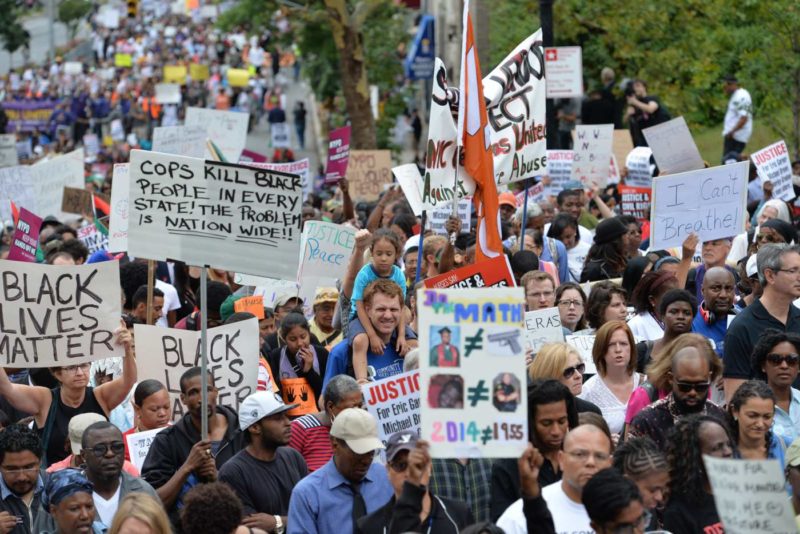
To view the entire series of Rising Up for Justice! posts, insert “rising up” in the search bar above.
What now for Black Lives Matter? Whatever happens under Biden, the role of African American women will be vital
By Clare Corbould, The Conversation
November 11, 2020
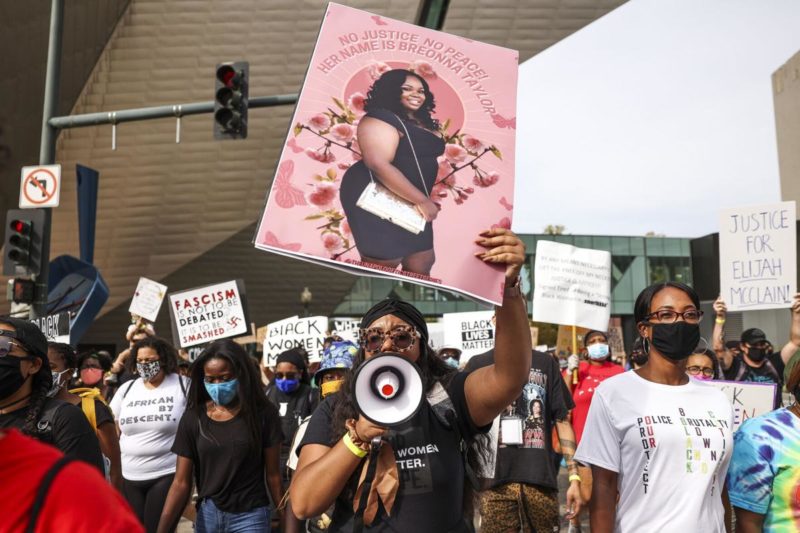
During the northern summer, anti-Trump sentiment fused with anti-racist activism in the US, causing huge numbers of Americans to protest all around the country.
President Donald Trump has been voted out of office, but the issues at the heart of Black Lives Matter remain as critical as ever.
In fact, the high turnout for both sides in the election demonstrates two things: the power of the movement and the need for it to continue.
But where does Black Lives Matter go from here?
Decentralised organisation is key
If you can’t name the three Black women — Alicia Garza, Patrisse Cullors and Opal Tometi — who coined the phrase “Black Lives Matter” in 2013, there’s a good reason for that…
The 2020 US election has decisively demonstrated the power of this strategy, because it took varied local organisations to activate important pockets of Black voters, Latino voters, and young voters…
Black women lead the charge
African American women were the backbone of the Democratic Party’s 2020 electoral success…
Democratic politician and activist, Stacey Abrams, also led a new organisation, Fair Fight. Together with other organisers, it made Georgia a swing state by registering roughly one million additional voters since 2016. Nearly two-thirds are voters of color…
Success beyond the election
The Black Lives Matter movement is much more expansive in its aims than either defeating Trump or putting a Democratic president in the White House.
Joe Biden has heeded those aims, noting during the campaign and in his first speech as president-elect that one of the nation’s major challenges is “systemic racism.”…
Much more work to do
Anti-racist organisers knew long before Biden was even picked as the Democratic candidate it wouldn’t matter who won the White House, because true change comes only from grassroots activity…
Read the full article here.
More Breaking News here.
Explore the ABHM galleries here.
Comments Are Welcome
Note: We moderate submissions in order to create a space for meaningful dialogue, a space where museum visitors – adults and youth –– can exchange informed, thoughtful, and relevant comments that add value to our exhibits.
Racial slurs, personal attacks, obscenity, profanity, and SHOUTING do not meet the above standard. Such comments are posted in the exhibit Hateful Speech. Commercial promotions, impersonations, and incoherent comments likewise fail to meet our goals, so will not be posted. Submissions longer than 120 words will be shortened.
See our full Comments Policy here.