Special News Series: Rising Up For Justice! – How a bloody night of bullets and brutality quashed a young protest movement
Share
Explore Our Galleries









Breaking News!
Today's news and culture by Black and other reporters in the Black and mainstream media.
Ways to Support ABHM?
Introduction To This Series:
This post is one installment in an ongoing news series: a “living history” of the current national and international uprising for justice.
Today’s movement descends directly from the many earlier civil rights struggles against repeated injustices and race-based violence, including the killing of unarmed Black people. The posts in this series serve as a timeline of the uprising that began on May 26, 2020, the day after a Minneapolis police officer killed an unarmed Black man, George Floyd, by kneeling on his neck. The viral video of Floyd’s torturous suffocation brought unprecedented national awareness to the ongoing demand to truly make Black Lives Matter in this country.
The posts in this series focus on stories of the particular killings that have spurred the current uprising and on the protests taking place around the USA and across the globe. Sadly, thousands of people have lost their lives to systemic racial, gender, sexuality, judicial, and economic injustice. The few whose names are listed here represent the countless others lost before and since. Likewise, we can report but a few of the countless demonstrations for justice now taking place in our major cities, small towns, and suburbs.
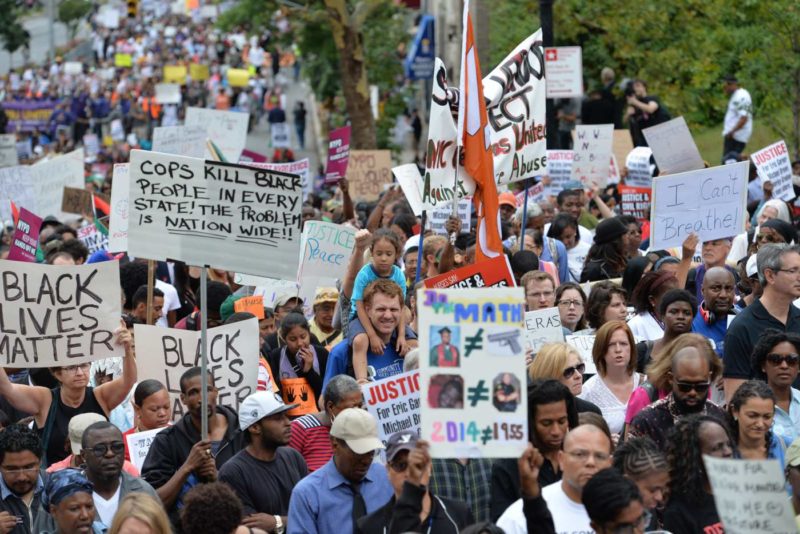
To view the entire series of Rising Up for Justice! posts, insert “rising up” in the search bar above.
‘They pointed their guns at us and started shooting’
How a bloody night of bullets and brutality quashed a young protest movement
By Stephanie Busari, Nima Elbagir, Gianluca Mezzofiore and Katie Polglase, CNN
November 19, 2020
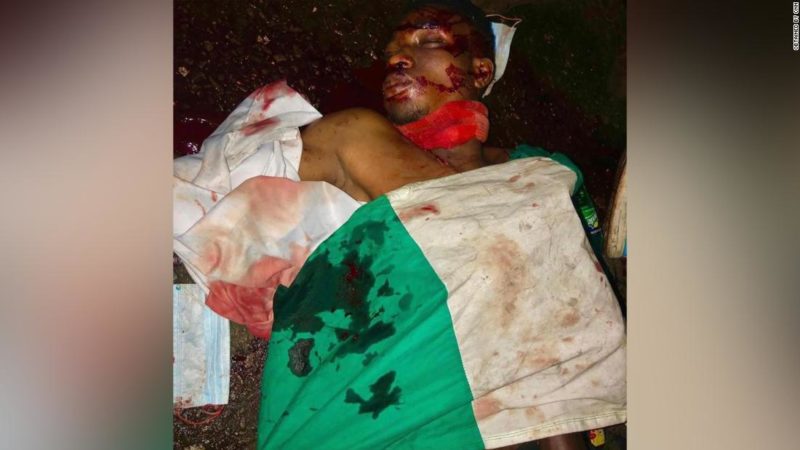
Sometime after midnight on October 21, Elisha Sunday Ibanga answered a phone call from his older brother’s number. The person on the other end of the line — a stranger — broke the news that Ibanga’s brother, Victor, had been shot dead at the Lekki toll gate, in Lagos, Nigeria, where he had been peacefully protesting against police brutality earlier that night.
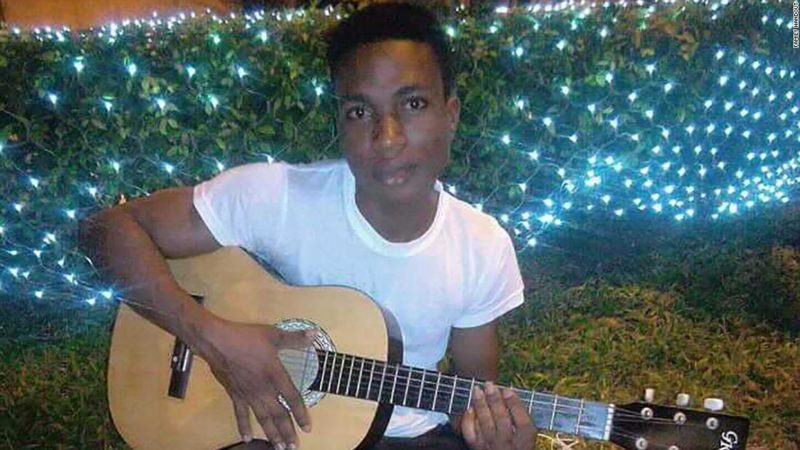
“The person told me that the police took his body away,” Ibanga, 24, told CNN. An eyewitness to Victor Sunday Ibanga’s death told CNN the 27-year-old entrepreneur was shot in the head during the protest.
CNN has obtained and geolocated a photograph of Victor’s body lying in a pool of blood and wrapped in the white and green of the Nigerian standard — one of the same flags gripped by fellow protesters earlier in the evening as they sang the country’s national anthem. Ibanga confirmed the photograph is of his brother.
The Ibangas are one of several families yet to locate the bodies of their missing loved ones — protestors at the toll gate — who dozens of eyewitnesses say were shot at, first by members of the Nigerian army and then hours later by police. Eyewitnesses told CNN they saw the army remove a number of bodies from the scene.
What happened on October 20, and into the early hours of October 21, at the eight-lane Lekki toll gate — a key piece of Lagos’ road network — has stunned the country.
The protesters who were present have told CNN it was a “massacre” with multiple people killed and dozens wounded. But local authorities have downplayed that account…
Since Elisha Sunday Ibanga learned of his brother’s death, he has been visiting hospitals in a desperate search for his remains.
“My mother, my sisters, all my family are in prayer, just to see if we can find out and know where my brother’s dead body is,” he said.
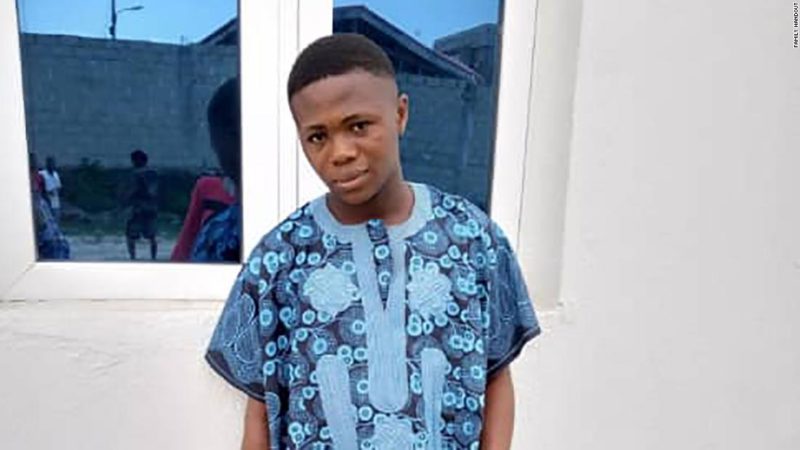
The bodies of other protesters are nowhere to be found. Peace Okon, 24, hasn’t seen her younger brother Wisdom, 18, since he went to the protest the night of the shooting.
Read the full article here.
More Breaking News here.
Explore the ABHM galleries here.
Comments Are Welcome
Note: We moderate submissions in order to create a space for meaningful dialogue, a space where museum visitors – adults and youth –– can exchange informed, thoughtful, and relevant comments that add value to our exhibits.
Racial slurs, personal attacks, obscenity, profanity, and SHOUTING do not meet the above standard. Such comments are posted in the exhibit Hateful Speech. Commercial promotions, impersonations, and incoherent comments likewise fail to meet our goals, so will not be posted. Submissions longer than 120 words will be shortened.
See our full Comments Policy here.