Special News Series: Rising Up For Justice! – 19 Families Purchased Land To Create A City Safe for Black People
Share
Explore Our Galleries









Breaking News!
Today's news and culture by Black and other reporters in the Black and mainstream media.
Ways to Support ABHM?
Introduction To This Series:
This post is one installment in an ongoing news series: a “living history” of the current national and international uprising for justice.
Today’s movement descends directly from the many earlier civil rights struggles against repeated injustices and race-based violence, including the killing of unarmed Black people. The posts in this series serve as a timeline of the uprising that began on May 26, 2020, the day after a Minneapolis police officer killed an unarmed Black man, George Floyd, by kneeling on his neck. The viral video of Floyd’s torturous suffocation brought unprecedented national awareness to the ongoing demand to truly make Black Lives Matter in this country.
The posts in this series focus on stories of the particular killings that have spurred the current uprising and on the protests taking place around the USA and across the globe. Sadly, thousands of people have lost their lives to systemic racial, gender, sexuality, judicial, and economic injustice. The few whose names are listed here represent the countless others lost before and since. Likewise, we can report but a few of the countless demonstrations for justice now taking place in our major cities, small towns, and suburbs.
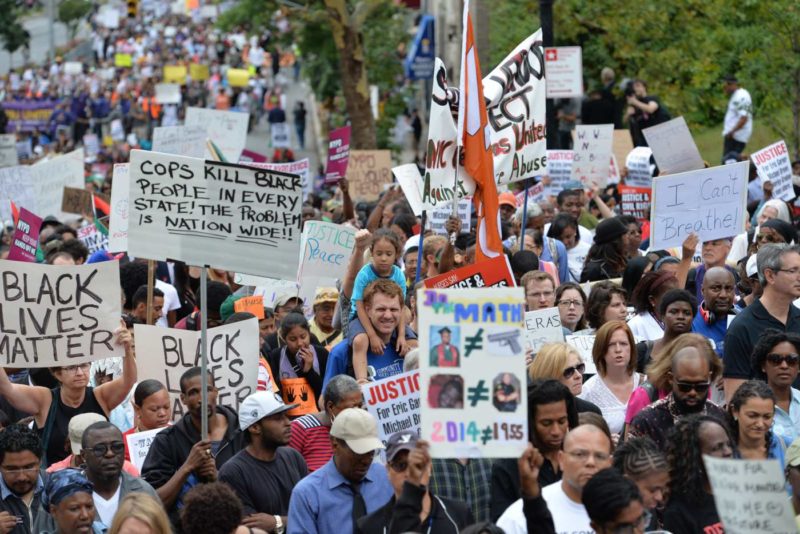
To view the entire series of Rising Up for Justice! posts, insert “rising up” in the search bar above.
19 Families Purchased Land In GA To Create A City Safe for Black People
Cooperative economics at work!
By BOTWC Staff, Because Of Them We Can
August 30, 2020
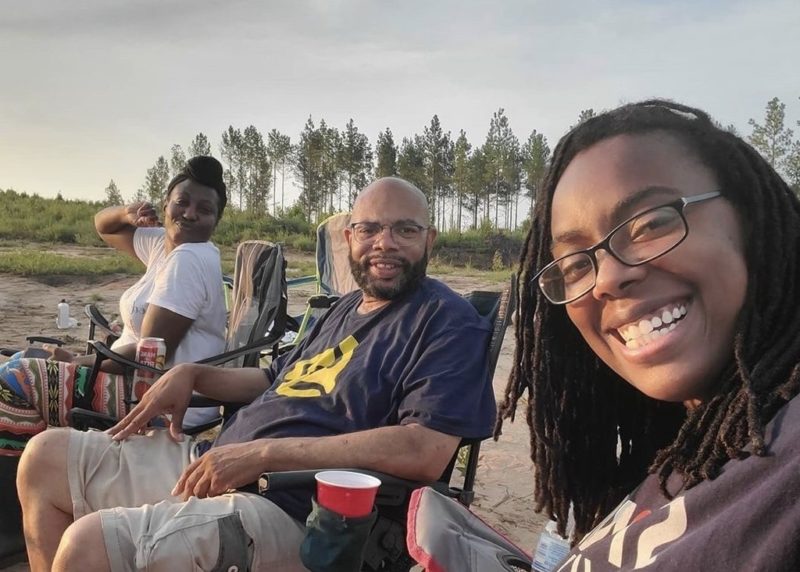
In Toomsboro, Georgia, a group of 19 Black families banded together to create what has the potential to be the next Black Wall Steet.
Black people are resilient, we’ve had to be to thrive under systems that weren’t built for us. This resiliency has created innovative solutions to impossible problems such as racial injustices, food insecurity, and a lack of secure and safe communities.
Ashley Scott, a realtor living in Stonecrest, Georgia, was reaching her breaking point after watching the murder of Ahmaud Arbery in her home state. In a Blavity op-ed, she wrote that she was distraught, and for the first time in her life, she felt disempowered, which caused her to seek help.
“I sought counseling from a Black therapist, and it helped. It helped me to realize that what we as Black people are suffering from is racial trauma. We are dealing with systemic racism. We are dealing with deep-rooted issues that will require more than protesting in the streets,” Scott wrote. “It will take for us as a people, as Atlanta rapper and activist Killer Mike so eloquently put, “To plot, plan, strategize, organize and mobilize.” So that’s what I and my good friend Renee Walters, an entrepreneur and investor, did.”
Scott and her good friend Renee Walters spearheaded The Freedom Georgia Initiative, which recently purchased 96.71 acres of land in Toomsboro, Georgia, to establish a self-sustaining Black community. After attending local zoning and city council meetings, Scott said she realized creating a new city would create change and build “real Black power.”
“We figured we could try to fix a broken system, or we could start fresh. Start a city that could be a shining example of being the change you want to see. We wanted to be more involved in creating the lives we really want for our Black families,” she continued. “And maybe, just maybe, create some generational wealth for ourselves by investing in the land. Investing in creating a community that is built around our core values and beliefs.”
Read the full article here.
More Breaking News here.
Explore the ABHM galleries here.
Comments Are Welcome
Note: We moderate submissions in order to create a space for meaningful dialogue, a space where museum visitors – adults and youth –– can exchange informed, thoughtful, and relevant comments that add value to our exhibits.
Racial slurs, personal attacks, obscenity, profanity, and SHOUTING do not meet the above standard. Such comments are posted in the exhibit Hateful Speech. Commercial promotions, impersonations, and incoherent comments likewise fail to meet our goals, so will not be posted. Submissions longer than 120 words will be shortened.
See our full Comments Policy here.