Sometimes, Staying Woke Means Staying Away
Share
Explore Our Galleries









Breaking News!
Today's news and culture by Black and other reporters in the Black and mainstream media.
Ways to Support ABHM?
Bassey Ikpi, theroot.com
Waking up to tragedies of some measure has become the norm over the years. Lately it feels as if every day there’s another hashtag created to expose our worst fears or break what’s left of our hearts.
I wasn’t clear on what had happened; all I saw were the hashtags floating down the page. My head started to spin, and I suddenly couldn’t remember what Manchester was. A college? A town? Both. But where?
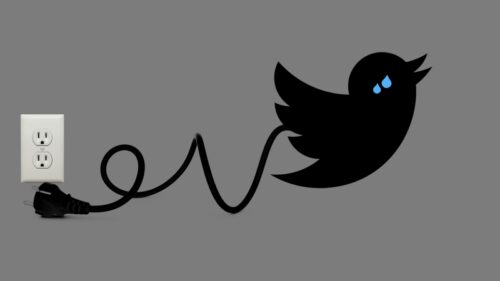
Photo illustration by Elena Scotti/The Root/GMG
Then I remembered the soccer club my son hates and the cousin who went to university there. My heart slowed and then quickened with the “RIPs to,” “prayers for” and “My [sister/cousin/best friend] was there … I can’t reach them … ” And the faces smiling into a future they won’t see; the tweets full of panic, turning Twitter into a virtual search party….
Back then, there were no hashtags to search, no accidental viewing of dead bodies between the latest celebrity happenings or presidential blunder. There were no pundits to politicize or finger-wag (yet); there was just a collective grieving. A community of people saddened and confused….
The pressure to take to the streets, to do something (RESIST! RESIST! RESIST!), is great. The thought is that it raises awareness; that we are part of the solution; that we must never forget these horrors or place one above the other in attention and amplification. But for some of us—the ones who hold life and death in the same shallow expanse of breath; the ones who find sleep an uneasy, uncomfortable space; the ones who are unable to keep our moods and our spirits at the same elevated level—exposure to these things does a damage….
The balance is not easy even for the most stable among us.
Times have changed.
Social media has become our community.
I could not afford to let the thing enter. I could already feel it tugging at my corners like an attention-starved child. I had to give myself permission to turn it off and turn away.
I hope you give yourself permission to turn it off and turn away. Find Netflix or Bruno Mars or a book that only asks that you believe two people can fall in love.
Sometimes, staying woke simply means staying alive.
Read the full article here.
Read more Breaking News here.
Comments Are Welcome
Note: We moderate submissions in order to create a space for meaningful dialogue, a space where museum visitors – adults and youth –– can exchange informed, thoughtful, and relevant comments that add value to our exhibits.
Racial slurs, personal attacks, obscenity, profanity, and SHOUTING do not meet the above standard. Such comments are posted in the exhibit Hateful Speech. Commercial promotions, impersonations, and incoherent comments likewise fail to meet our goals, so will not be posted. Submissions longer than 120 words will be shortened.
See our full Comments Policy here.