Roberta Flack, Grammy-winning singer of ‘Killing Me Softly With His Song,’ dies at 88
Share
Explore Our Galleries









Breaking News!
Today's news and culture by Black and other reporters in the Black and mainstream media.
Ways to Support ABHM?
By Kalhan Rosenblatt, NBC
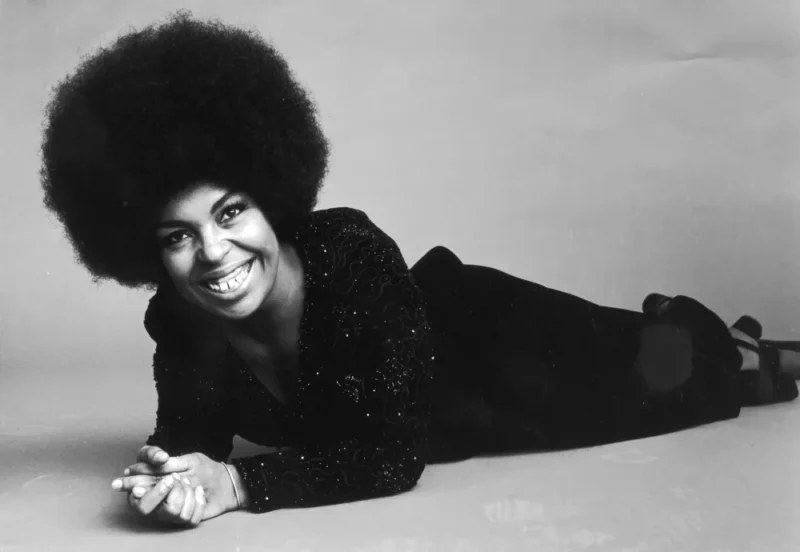
Grammy award-winning singer Roberta Flack, who crooned hits like “Killing Me Softly With His Song” and “The First Time Ever I Saw Your Face,” has died, a representative confirmed to NBC News.
She was 88.
In November 2022, a representative announced that Flack had ALS, commonly known as Lou Gehrig’s disease, and could no longer sing.
The progressive disease “has made it impossible to sing and not easy to speak,” Flack’s manager Suzanne Koga said in a news release.
In a statement on Monday, representatives for Flack said they are “heartbroken” by her passing.
“She died peacefully surrounded by her family,” Koga and Mikel Gilmore said in the statement. “Roberta broke boundaries and records. She was also a proud educator.”
Continue reading to learn more about Flack’s life.
Flack’s most famous song experienced renewed popularity when it was covered by The Fugees and Lauryn Hill.
Comments Are Welcome
Note: We moderate submissions in order to create a space for meaningful dialogue, a space where museum visitors – adults and youth –– can exchange informed, thoughtful, and relevant comments that add value to our exhibits.
Racial slurs, personal attacks, obscenity, profanity, and SHOUTING do not meet the above standard. Such comments are posted in the exhibit Hateful Speech. Commercial promotions, impersonations, and incoherent comments likewise fail to meet our goals, so will not be posted. Submissions longer than 120 words will be shortened.
See our full Comments Policy here.