REGGIE JACKSON: MY REFLECTIONS ON BLACK HISTORY MONTH CELEBRATIONS
Share
Explore Our Galleries









Breaking News!
Today's news and culture by Black and other reporters in the Black and mainstream media.
Ways to Support ABHM?
By Reggie Jackson, Milwaukee Independent
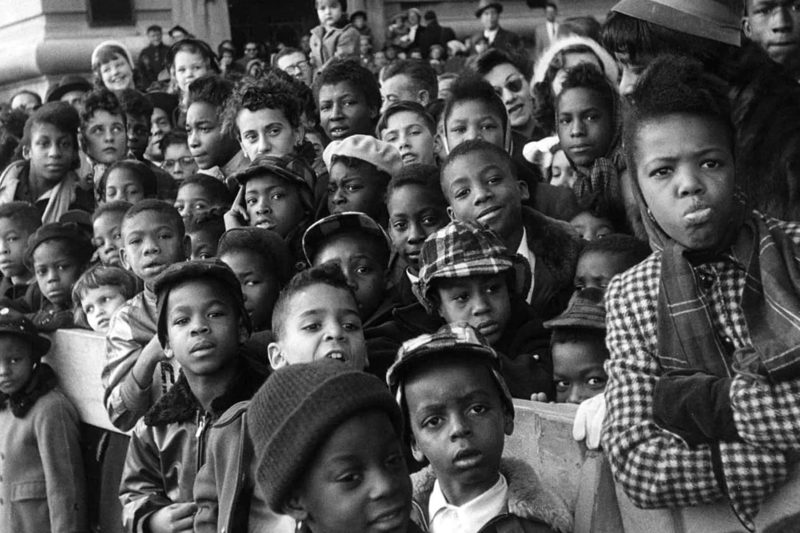
This year marks the 95th annual celebration of Black History Month. It has actually been a month-long celebration since just 1976.
Each year the Association for the Study of African American Life and History (ASALH), established in 1915 by the founder of the annual celebration, Dr. Carter G. Woodson, establishes a theme for the celebration each year. This year’s theme is, The Black Family: Representation, Identity and Diversity. They say this about the theme:
“The black family has been a topic of study in many disciplines—history, literature, the visual arts and film studies, sociology, anthropology, and social policy. Its representation, identity, and diversity have been reverenced, stereotyped, and vilified from the days of slavery to our own time. The black family knows no single location, since family reunions and genetic-ancestry searches testify to the spread of family members across states, nations, and continents. Not only are individual black families diasporic, but Africa and the diaspora itself have been long portrayed as the black family at large…”
I have attempted over the years to spotlight my family’s journeys in America. I feel proud of our continued resilience. We have overcome a lot. Mississippi is my home state and there is no need to rehash the ugly history of that state for you to clearly understand that “the struggle has been real.”
As a third grader, I remember my elementary school celebrating in February. It was only a week-long celebration back then, but it left a lasting impression on me. My brother performed MLK’s I Have a Dream speech each year we were in elementary school. It inspired me and my love for learning led me down a path to find out more. Along the way I discovered the richness of our diverse experiences. There has been good as well as bad mixed together over the 401 years since we arrived on these shores.
Dr. Woodson, a Harvard trained historian, wanted to build an archive of our achievements to show us and the world that we were anything but what America said we were. He created the Negro History Bulletin and the Journal of Negro History to give historians an opportunity to explain our lived experiences to the world. He was a brilliant man and built a legacy that still provides us with much to learn today.
I love looking back at old copies of the bulletin and journal online. They provide real context to our experience, aspirations and reflections on events as they unfolded. Dr. Woodson wanted to celebrate not Black history but “Blacks in history” as he said.
Read the full article here.
More Breaking News here.
Comments Are Welcome
Note: We moderate submissions in order to create a space for meaningful dialogue, a space where museum visitors – adults and youth –– can exchange informed, thoughtful, and relevant comments that add value to our exhibits.
Racial slurs, personal attacks, obscenity, profanity, and SHOUTING do not meet the above standard. Such comments are posted in the exhibit Hateful Speech. Commercial promotions, impersonations, and incoherent comments likewise fail to meet our goals, so will not be posted. Submissions longer than 120 words will be shortened.
See our full Comments Policy here.