Pac-12 football players threaten boycott
Share
Explore Our Galleries









Breaking News!
Today's news and culture by Black and other reporters in the Black and mainstream media.
Ways to Support ABHM?
By , and
…if health and social justice demands are not met
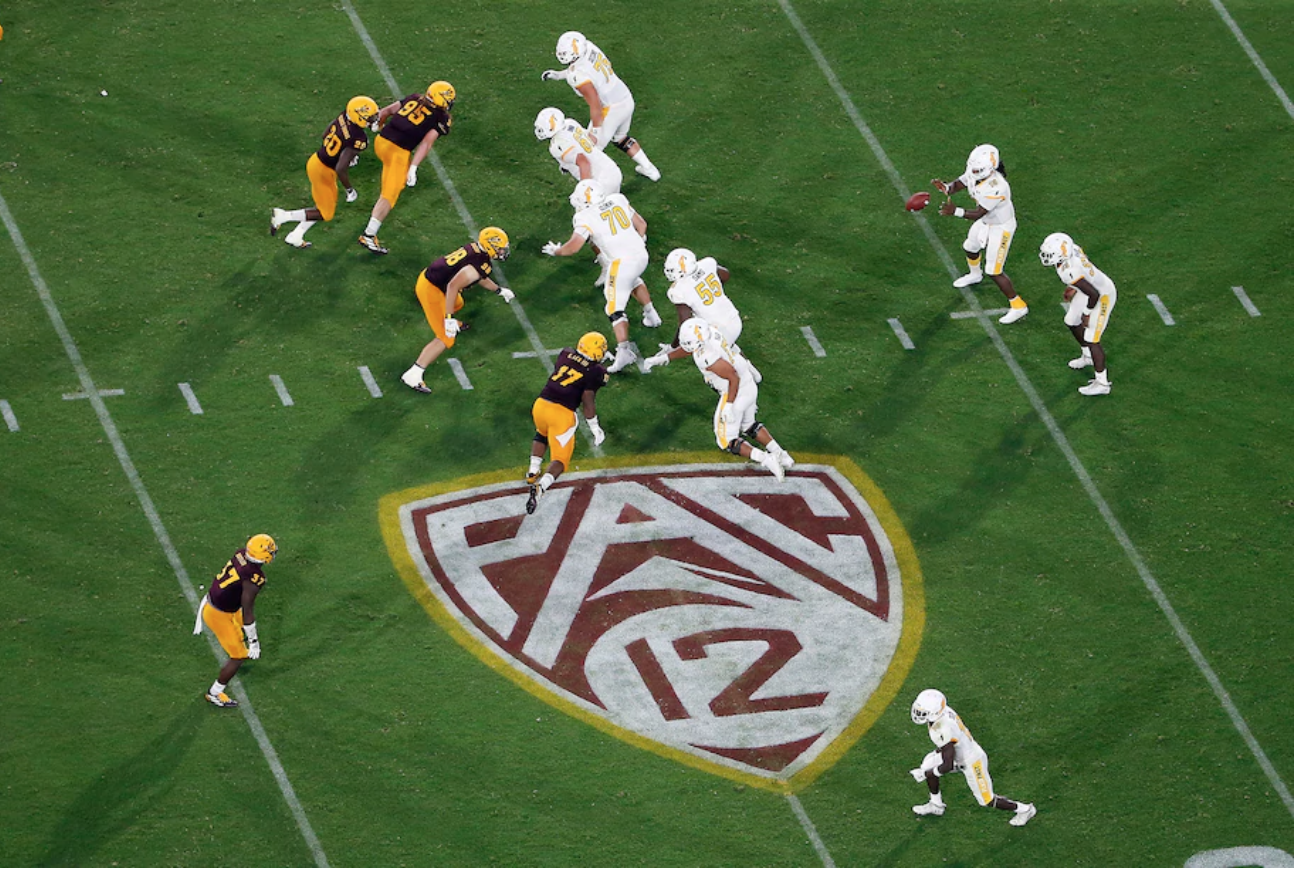
A large group of Pac-12 football players threatened to boycott fall practices and games if demands related to safety, racial justice and compensation are not met by the conference. The players announced the unprecedented push for college athlete rights with a unified statement Sunday morning, and numerous players tweeted their support of the group’s mission.
The Pac-12 players asked for the conference to enforce safety standards as teams return to play amid the novel coronavirus pandemic. After the death of George Floyd and a summer of unrest, the players want the Pac-12 to commit to addressing social issues such as racial injustice and grant players more economic freedom through revenue sharing and the ability to profit off their names, images and likenesses.
More than 400 Pac-12 players were part of the GroupMe chat where conversations about this movement took place, organizers said, but it is unknown how many players would opt out of the season if the demands are not met.
As unpaid college athletes continue to grasp the leverage they wield in this multibillion-dollar industry, they have started to push for more rights and protections. Particularly now as the season nears with the number of coronavirus cases still rising in parts of the country, many college football players have voiced concerns about the risks of playing and doubts that the NCAA will value their safety over revenue.
The National College Players Association and the organization’s executive director, Ramogi Huma, offered guidance to this Pac-12 player-led movement. Huma said the Floyd protests, which saw numerous college athletes raise their voices against police brutality in recent months, and the coronavirus pandemic combined to create the impetus for a rebellion unlike any in college football history.
“Business as usual in college sports is very abusive,” Huma said. “That combined with a pandemic is a total disaster. NCAA sports has failed. And with players, I think there’s just some desperation. They’re really concerned about their health and safety…”
Read full article here
Comments Are Welcome
Note: We moderate submissions in order to create a space for meaningful dialogue, a space where museum visitors – adults and youth –– can exchange informed, thoughtful, and relevant comments that add value to our exhibits.
Racial slurs, personal attacks, obscenity, profanity, and SHOUTING do not meet the above standard. Such comments are posted in the exhibit Hateful Speech. Commercial promotions, impersonations, and incoherent comments likewise fail to meet our goals, so will not be posted. Submissions longer than 120 words will be shortened.
See our full Comments Policy here.