Nelson Mandela, South African Icon of Peaceful Resistance, Is Dead
Share
Explore Our Galleries









Breaking News!
Today's news and culture by Black and other reporters in the Black and mainstream media.
Ways to Support ABHM?
By Lydia Polgreen, The New York Times
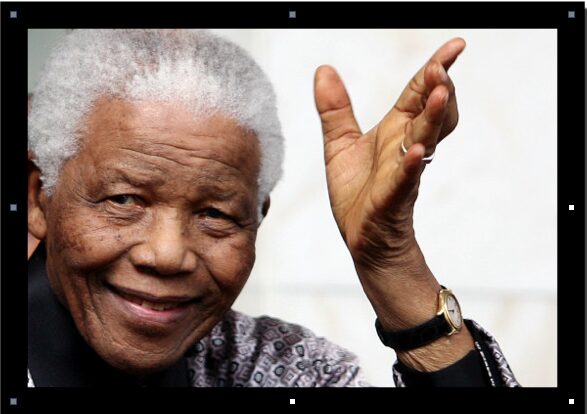
JOHANNESBURG — Nelson Mandela, South Africa’s first black president and an enduring icon of the struggle against racial oppression, died on Thursday, the government announced, leaving the nation without its moral center at a time of growing dissatisfaction with the country’s leaders.
“Our nation has lost its greatest son,” President Jacob Zuma said in a televised address on Thursday night, adding that Mr. Mandela had died at 8:50 p.m. local time. “His humility, his compassion and his humanity earned him our love.”
Mr Zuma said that South Africa’s thoughts were with Mr. Mandela’s family. “They have sacrificed much and endured much so that our people could be free,” he said.
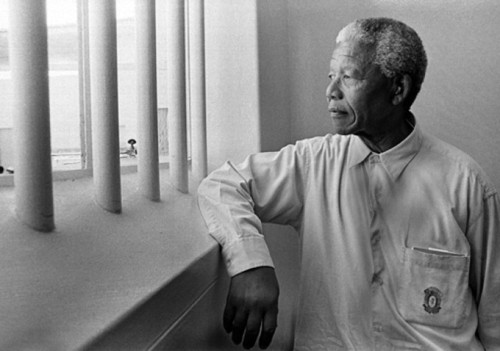
Mr. Mandela spent 27 years in prison after being convicted of treason by the white minority government, only to forge a peaceful end to white rule by negotiating with his captors after his release in 1990. He led the African National Congress, long a banned liberation movement, to a resounding electoral victory in 1994, the first fully democratic election in the country’s history.
Mr. Mandela served just one term as South Africa’s president and had not been seen in public since 2010, when the nation hosted the soccer World Cup. But his decades in prison and his insistence on forgiveness over vengeance made him a potent symbol of the struggle to end this country’s brutally codified system of racial domination, and of the power of peaceful resolution in even the most intractable conflicts.
Years after he retreated from public life, his name still resonated as an emblem of his effort to transcend decades of racial division and create what South Africans called a Rainbow Nation.
Read the full article here.
Read more Breaking News here.
Comments Are Welcome
Note: We moderate submissions in order to create a space for meaningful dialogue, a space where museum visitors – adults and youth –– can exchange informed, thoughtful, and relevant comments that add value to our exhibits.
Racial slurs, personal attacks, obscenity, profanity, and SHOUTING do not meet the above standard. Such comments are posted in the exhibit Hateful Speech. Commercial promotions, impersonations, and incoherent comments likewise fail to meet our goals, so will not be posted. Submissions longer than 120 words will be shortened.
See our full Comments Policy here.