Massachusetts to create advisory council focused on Black empowerment
Share
Explore Our Galleries









Breaking News!
Today's news and culture by Black and other reporters in the Black and mainstream media.
Ways to Support ABHM?
By Emma Sánchez, NBC News
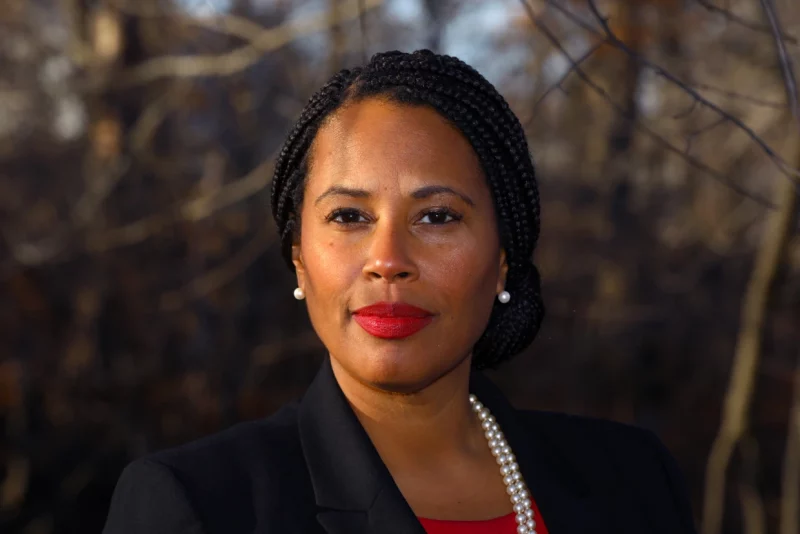
Massachusetts Gov. Maura Healey announced Friday an upcoming executive order to create a council to advise her office on a range of issues related to improving Black life in the state, including workforce development and education.
“Massachusetts’ Black residents make tremendous contributions to our state, but far too often they face systemic barriers that hold them back from opportunity,” Healey said in a statement Friday. “Our administration is committed to bringing people together and centering equity in all that we do, and that requires ensuring that those who are most impacted by our policy have a seat at the decision-making table.”
The Advisory Council on Black Empowerment will be composed of more than 30 Black leaders from across the state in fields such as state government and advocacy organizations. Members of the council will include president of the NAACP Boston chapter, Tanisha Sullivan, and Rep. Bud Williams.
The announcement comes just weeks after the city of Boston established a Reparations Task Force to study the effects of slavery and generations of discrimination against the city’s Black residents.
Discover the changes spearheaded by the state’s governor.
Reparations are designed to help combat generations of inequality stemming from slavery.
Find more breaking Black news.
Comments Are Welcome
Note: We moderate submissions in order to create a space for meaningful dialogue, a space where museum visitors – adults and youth –– can exchange informed, thoughtful, and relevant comments that add value to our exhibits.
Racial slurs, personal attacks, obscenity, profanity, and SHOUTING do not meet the above standard. Such comments are posted in the exhibit Hateful Speech. Commercial promotions, impersonations, and incoherent comments likewise fail to meet our goals, so will not be posted. Submissions longer than 120 words will be shortened.
See our full Comments Policy here.