Maryland’s Black Caucus Leadership: Driven by Faith and Service
Share
Explore Our Galleries









Breaking News!
Today's news and culture by Black and other reporters in the Black and mainstream media.
Ways to Support ABHM?
by Rev. Dorothy S. Boulware, Capital B
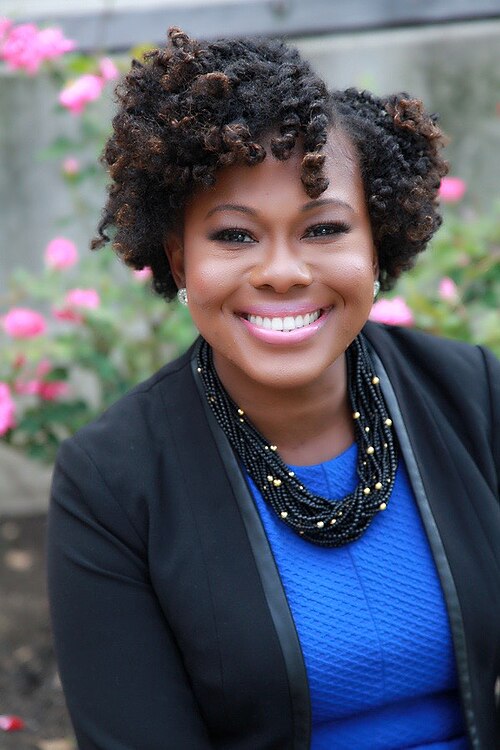
For the first time in history, the leadership team of the Maryland Legislative Black Caucus is majority women — and they’re making waves. Led by Del. Jheanelle Wilkins, the youngest chair in its history, this powerhouse group of lawmakers isn’t just pushing groundbreaking legislation on reparations, education, and criminal justice reform — they’re also grounded in a deep and unapologetic faith that forms the bedrock of their service.
In an era marked by political division, Delegates Wilkins, Stephanie Smith, Karen Toles, and Melissa Wells are blending policy and purpose — and showing what it means to lead with both power and prayer.
Indeed, Wilkins says there aren’t many institutions that continue to be boldly God-centered,
“As a caucus, we truly do have God and our faith at the center of the work we do,” she explains. She says as part of its leadership structure, the Legislative Black Caucus includes a chaplain and counts several pastors among its members, “some who even pastor their own churches.”
Wells says they are “community servants as elected officials.” So she leans “away from ego” and leads “with a sense of kindness and love for my colleagues, even when we disagree,” and for all Marylanders.
Smith says she grew up with “a grandmother born in 1909” who didn’t have many opportunities because of Jim Crow. “But the one thing no one could take away from her was her faith,” she says.
Capital B got candid responses from the delegates about their leadership.
Comments Are Welcome
Note: We moderate submissions in order to create a space for meaningful dialogue, a space where museum visitors – adults and youth –– can exchange informed, thoughtful, and relevant comments that add value to our exhibits.
Racial slurs, personal attacks, obscenity, profanity, and SHOUTING do not meet the above standard. Such comments are posted in the exhibit Hateful Speech. Commercial promotions, impersonations, and incoherent comments likewise fail to meet our goals, so will not be posted. Submissions longer than 120 words will be shortened.
See our full Comments Policy here.