Mary Alice Should Have Been A Household Name. But She Wasn’t A Part Of White Hollywood.
Share
Explore Our Galleries









Breaking News!
Today's news and culture by Black and other reporters in the Black and mainstream media.
Ways to Support ABHM?
By Law Ware, HuffPost
The Tony Award winner, who passed away Thursday, led an acting career that never quite reached the height of her talents. This wasn’t her fault: Hollywood is built this way.
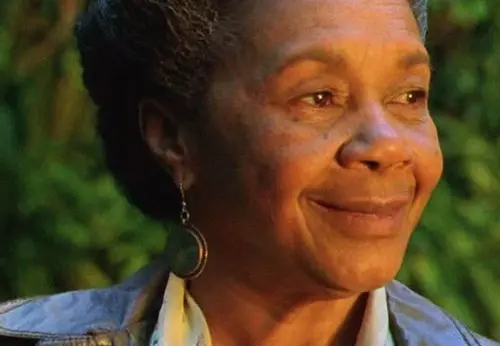
I first noticed Mary Alice in “A Different World.”
As the kind, soft-spoken Leticia “Lettie” Bostic, the dorm director of Gilbert Hall, she stole nearly every scene she was in. I’ll never forget the heart-pounding episode (well, it was for me as a kid in elementary school) when Kim Reese had unprotected sex and was concerned about getting pregnant. Lettie found out what happened, and she was so exasperated that she had a moment of anger ― startling everyone watching the show, I’m sure ― and shouted at Kim. Lettie immediately apologized for her outburst, and regained her composure. She then went about the business of doing her job and caring for Kim, who, despite making a mistake, was not a bad kid.
I did not know this at the time; I was too busy being gripped with fear that Kim might actually be pregnant (the absolute worst possible outcome to my young brain ― I did not yet know anything about STDs). Thinking about this scene as an adult, though, I am amazed by the acting of Mary Alice. Her range, her control, the way she expresses with her eyes. The way that even after she apologies, you can still see that she is concerned.
This woman was astounding.
Alice died last week at the age of 85. Looking back at her career now, I see that she was often given scenes like this ― and she crushed them every time. Alice was an incredible actor. If she were white, she would have been as sought-after for roles as Meryl Streep and as Oscar-nominated as Cate Blanchett. She might have had a career like Dame Judi Dench, working well into her twilight years with roles that allowed her to display her considerable talents.
Read the rest of Ware’s oped about this talented actor.
Hollywood’s problem with race is not new but has found new ways to disguise itself.
Interested in news about Black issues? Click here.
Comments Are Welcome
Note: We moderate submissions in order to create a space for meaningful dialogue, a space where museum visitors – adults and youth –– can exchange informed, thoughtful, and relevant comments that add value to our exhibits.
Racial slurs, personal attacks, obscenity, profanity, and SHOUTING do not meet the above standard. Such comments are posted in the exhibit Hateful Speech. Commercial promotions, impersonations, and incoherent comments likewise fail to meet our goals, so will not be posted. Submissions longer than 120 words will be shortened.
See our full Comments Policy here.