Los Angeles Fires: Uncovering The Hidden Struggles Of Incarcerated Firefighter Heroes
Share
Explore Our Galleries









Breaking News!
Today's news and culture by Black and other reporters in the Black and mainstream media.
Ways to Support ABHM?
By Danielle Wright, Girls United
Amidst the praise and recognition these first responders deserve, incarcerated firefighters shouldn’t be overlooked.
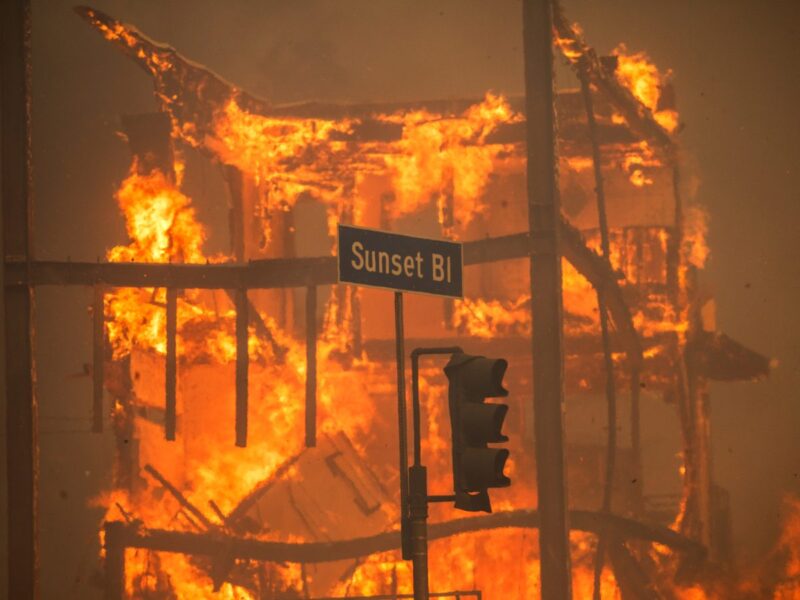
As the wildfires continues to rage across California, the heroic firefighters battling these blazes are once again putting their lives on the line to protect communities, wildlife, and homes. In Los Angeles, firefighters are working overnight and enduring long hours in extreme conditions to battle the Palisades, Eaton, Hurst, and Sunset fires. However, amidst the well-deserved praise and recognition for first responders, the sacrifices, under-compensation, and systemic challenges faced by incarcerated firefighters often go unheard, despite their equally significant contributions.
From Tuesday Morning, Los Angeles has been struck with some of the most destructive fires in its history, forcing evacuations, destroying homes, and threatening it’s ecosystems. According to Cal Fire, California has experienced over 2.4 million acres burned as of the summer of 2024, making it one of the worst wildfire seasons to date.
As the fires intensify, the demand for firefighters—both professional and volunteer—has skyrocketed. Among these brave responders are incarcerated individuals working as firefighters in partnership with the California Department of Corrections and Rehabilitation (CDCR).
In California, incarcerated individuals make up a significant portion of the firefighting workforce. According to Forbes, more than 3,000 incarcerated men and women have been trained to fight fires across the state. While professional firefighters in California can earn anywhere from $50,000 to $100,000 per year depending on experience and rank, incarcerated firefighters are compensated with only $1 to $2 a day for their labor. Even during major fire seasons like the present, where the demand for firefighting labor is at an all-time high, these men and women receive almost no financial benefit for the long hours and high risks involved. Despite the extremely low wages, these firefighters often risk their lives exposing themselves to extreme heat, smoke inhalation, and the potential for the fire to shift unpredictably, just as we’ve seen with the Palisades fire.
Additionally, many of these incarcerated firefighters have trained for years gaining valuable experience in emergency management, making them some of the most experienced and qualified firefighters on the front lines. However, once they are released, their ability to transition to full-time firefighting jobs can be limited, due to felony convictions and barriers to obtaining certification.
Many professionals firefighters face racism at work.
Comments Are Welcome
Note: We moderate submissions in order to create a space for meaningful dialogue, a space where museum visitors – adults and youth –– can exchange informed, thoughtful, and relevant comments that add value to our exhibits.
Racial slurs, personal attacks, obscenity, profanity, and SHOUTING do not meet the above standard. Such comments are posted in the exhibit Hateful Speech. Commercial promotions, impersonations, and incoherent comments likewise fail to meet our goals, so will not be posted. Submissions longer than 120 words will be shortened.
See our full Comments Policy here.