Last Known U.S. Slave Ship, the Clotilda, Said to Have Been Discovered In Alabama
Share
Explore Our Galleries









Breaking News!
Today's news and culture by Black and other reporters in the Black and mainstream media.
Ways to Support ABHM?
By Aliya Semper Ewing, The Root
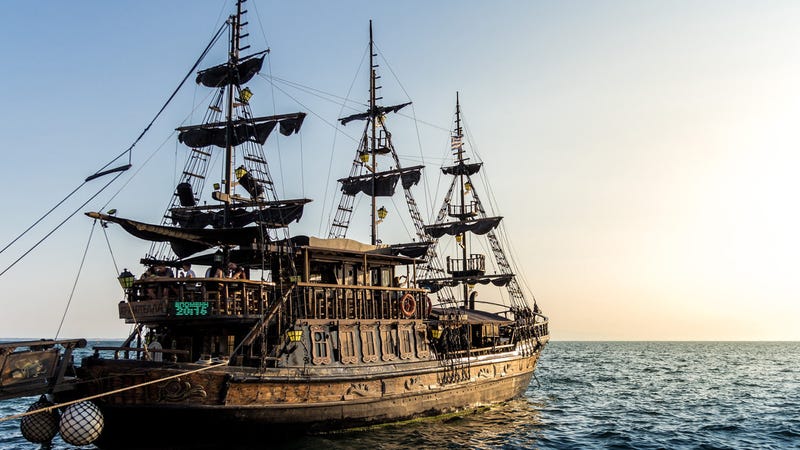
On Wednesday researchers announced they’ve located the remains of the last known ship known to bring enslaved Africans to what we now call The United States.
According to the Alabama Historical Commission, slave importing was officially banned in 1808, though an illegal trans-Atlantic slave trade continued for many years. In 1860, fifty years after importing slaves was deemed ‘illegal’, a ship named the Clotilda illegally transported 110 people from present-day Benin on the west coast of Africa, to Mobile, Alabama. After its delivery of black people to slave owners, just one year before the Civil War, the ship was burned to destroy evidence of its illegal activity.
“The discovery of the Clotilda is an extraordinary archaeological find,” said Lisa Demetropoulos Jones, executive director of the Alabama Historical Commission, in a statement, “The voyage represented one of the darkest eras of modern history and is a profound discovery of the tangible evidence of slavery.”
As the story has been told by historian Natalie S. Robertson, the treacherous slave trade was literally a game for some. Alabama plantation owner Timothy Meaher made a bet with someone that he and his people could evade detection and bring a shipload of Africans across the ocean. And so a schooner, Clotilda, set sail.
“They were smuggling people as much for defiance as for sport,” Robertson said.
If the name Clotilda sounds familiar it’s probably because you remember when The Root founder, Henry Louis Gates Jr., met with The Roots’ Questlove to trace his lineage back to Africa. What Gates discovered is that Quest’s direct ancestors were listed as being on board that very ship…
Read the full article here
More about Clotilda and Africatown.
More Breaking News here
View more ABHM galleries here
Comments Are Welcome
Note: We moderate submissions in order to create a space for meaningful dialogue, a space where museum visitors – adults and youth –– can exchange informed, thoughtful, and relevant comments that add value to our exhibits.
Racial slurs, personal attacks, obscenity, profanity, and SHOUTING do not meet the above standard. Such comments are posted in the exhibit Hateful Speech. Commercial promotions, impersonations, and incoherent comments likewise fail to meet our goals, so will not be posted. Submissions longer than 120 words will be shortened.
See our full Comments Policy here.