Judge weighs government’s request to unseal records of FBI’s surveillance of Martin Luther King Jr.
Share
Explore Our Galleries









Breaking News!
Today's news and culture by Black and other reporters in the Black and mainstream media.
Ways to Support ABHM?
By Michael Kunzelman, Afro
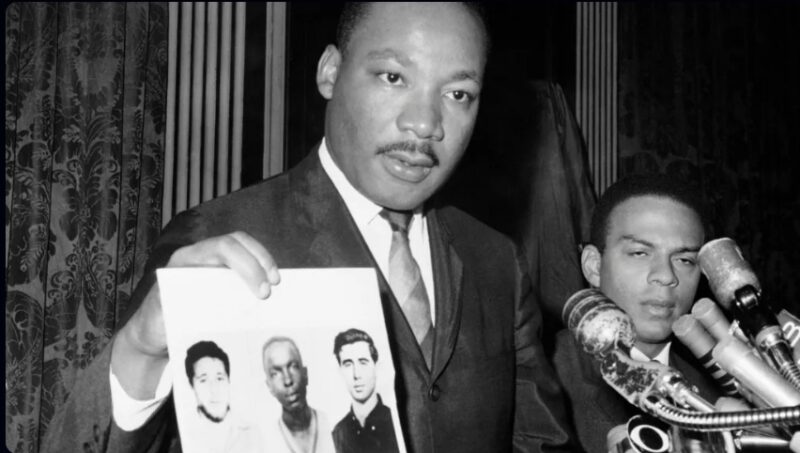
WASHINGTON (AP) — A federal judge is weighing a request from the Trump administration to unseal records of the FBI’s surveillance of Martin Luther King Jr. — files that the civil rights leader’s relatives want to keep under wraps in the national archives.
U.S. District Judge Richard Leon in Washington, D.C., said during a hearing on June 4 that he wants to see an inventory of the records before deciding whether the government can review them for possible release to the public.
“This is delicate stuff,” Leon said. “We’re going to go slowly. Little steps.”
Justice Department attorneys have asked Leon to end a sealing order for the records nearly two years ahead of its expiration date. A department attorney said the administration is only interested in releasing files related to King’s assassination.
The Southern Christian Leadership Conference, which King led, is opposed to unsealing any of the records for privacy reasons. The organization’s lawyers said King’s relatives also want to keep the files under seal.
Learn more about The FBI’s secret surveillance of Dr. King.
More black stories in our Galleries.
Stay informed on breaking news.
Comments Are Welcome
Note: We moderate submissions in order to create a space for meaningful dialogue, a space where museum visitors – adults and youth –– can exchange informed, thoughtful, and relevant comments that add value to our exhibits.
Racial slurs, personal attacks, obscenity, profanity, and SHOUTING do not meet the above standard. Such comments are posted in the exhibit Hateful Speech. Commercial promotions, impersonations, and incoherent comments likewise fail to meet our goals, so will not be posted. Submissions longer than 120 words will be shortened.
See our full Comments Policy here.