It’s Not Your Grandmother’s NAACP
Share
Explore Our Galleries









Breaking News!
Today's news and culture by Black and other reporters in the Black and mainstream media.
Ways to Support ABHM?
By Jenée Desmond-Harris, theRoot
The 104-year-old organization is working to dispel myths that it’s black-only and mired in the past.
In 2005 the NAACP took a look at its membership and, more important, the people who were not members. There was the robust Youth & College Division, but then, as National Board Chairman Roslyn Brock puts it, “After you’re 25, we lose you — you’re graduating from college, starting your family, starting your career. Then folks come back to NAACP around their late 40s, 50s, and they literally stay until God calls them home.”
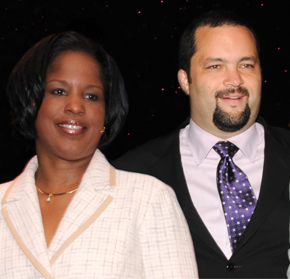
She wanted to change that. The Leadership 500 Summit, a conference held for the ninth year this weekend, was designed to get the attention of professionals in that missing generation. Its explicit agenda: Recruit movers and shakers between the ages of 30 and 50, teach them about the NAACP’s work, dispel myths about what the 104-year-old civil rights organization is (black-only, nonprogressive and old, to name a few of those myths) and send attendees home ready to become active members and lead the group into the future.
[Chairman Roslyn Brock told The Root],
The NAACP has been around for 104 years, but everybody in it is not 104 years old. When you come here and you see who our thought leaders are, who our president and CEO has hired and attracted, you’ll see some of the best and brightest professionals that you will see anywhere.
So through this event and through social media, we’re saying, “Come home to the NAACP. Because courage should not skip this generation.”
[She also spoke about other myths about the NAACP]:
…[S]ome might think we’re not progressive, or that we kind of stayed back in the old days. But our ability to push the envelope is not only marriage equality — it’s environmental justice, for example. Many don’t know that we have a very robust emerging program around climate change and economic justice in communities of color.
Also, we have white Americans who are presidents of our local branches, of our local college chapters, and we’re doing a good job of widening our net of black and brown, yellow and others to come to the NAACP, because we believe that “colored” people come in all colors, and our cause is not a black cause; it is an American cause.
Read the full article and interview here.
Learn about, and if you wish, join the NAACP here.
See more Breaking News here.
Comments Are Welcome
Note: We moderate submissions in order to create a space for meaningful dialogue, a space where museum visitors – adults and youth –– can exchange informed, thoughtful, and relevant comments that add value to our exhibits.
Racial slurs, personal attacks, obscenity, profanity, and SHOUTING do not meet the above standard. Such comments are posted in the exhibit Hateful Speech. Commercial promotions, impersonations, and incoherent comments likewise fail to meet our goals, so will not be posted. Submissions longer than 120 words will be shortened.
See our full Comments Policy here.