In its push for more Black players, MLB hopes results are on the horizon from grassroots efforts
Share
Explore Our Galleries









Breaking News!
Today's news and culture by Black and other reporters in the Black and mainstream media.
Ways to Support ABHM?
David Brandt, AP News
[…]
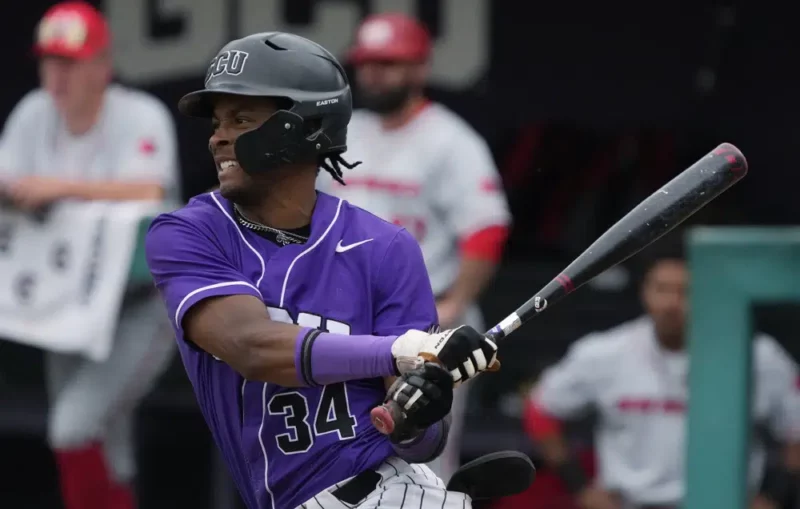
A recent study from The Institute for Diversity and Ethics in Sport at Central Florida found Black players represented just 6.2% of players on MLB opening day rosters, down from last year’s previous record low of 7.2%. Both figures are the lowest recorded in the study since it began in 1991, when 18% of players were Black. Last year’s World Series was the first since 1950 without a U.S.-born Black player.
There are tangible reasons to believe the percentage of Black players might be on the upswing soon.
Four of the first five players picked in last summer’s amateur draft were Black for the first time ever. Those four were among the hundreds who had participated in diversity initiatives such as the MLB Youth Academy, DREAM Series and the Reviving Baseball in Inner Cities (RBI) program. MLB has also pledged $150 million in a 10-year partnership with the Players Alliance. The nonprofit organization of current and former players works to increase Black involvement at all levels.
Many of those programs started several years ago, and the younger participants are starting to hit draft-eligible age.
[18-year-old Zion] Rose is among them. He said the diversity initiatives didn’t just provide exposure to scouts, but also opened a vital pipeline for minority players to connect, share experiences and see faces similar to their own. The catcher said that Black former MLB players and coaches were also in attendance at many of the tournaments, providing role models. He cited Reds pitcher Hunter Greene as a big influence.
“I met most of my best friends at those camps,” Rose said. “Just being able to see people your color playing the game, being able to relate to them, that’s been important.”
Learn more about the MLB diversity initiatives in the original article.
Read about the MLB video game that broke barriers by including Negro League players in this Breaking News article.
Find other Breaking News articles here.
Comments Are Welcome
Note: We moderate submissions in order to create a space for meaningful dialogue, a space where museum visitors – adults and youth –– can exchange informed, thoughtful, and relevant comments that add value to our exhibits.
Racial slurs, personal attacks, obscenity, profanity, and SHOUTING do not meet the above standard. Such comments are posted in the exhibit Hateful Speech. Commercial promotions, impersonations, and incoherent comments likewise fail to meet our goals, so will not be posted. Submissions longer than 120 words will be shortened.
See our full Comments Policy here.