Illinois predominantly Black college closing after 157 years
Share
Explore Our Galleries









Breaking News!
Today's news and culture by Black and other reporters in the Black and mainstream media.
Ways to Support ABHM?
By Don Babwin, AP News
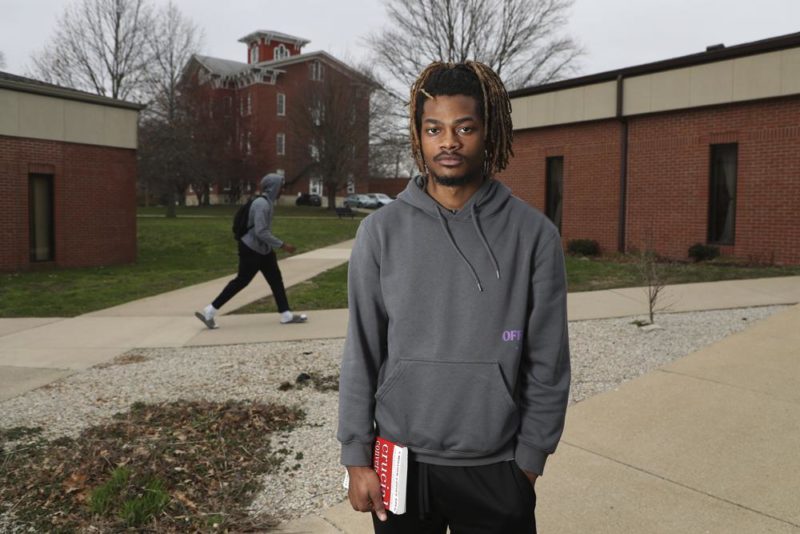
CHICAGO (AP) — A predominantly Black college in central Illinois named after Abraham Lincoln and founded the year the former president was assassinated will close this week, months after a cyberattack that compounded enrollment struggles due to the coronavirus pandemic.
Lincoln College, which saw record enrollment numbers in 2019, said in a news release that it scrambled to stay afloat with fundraising campaigns, a consolidation of employee positions, and exploring leasing alternatives.
“Unfortunately, these efforts did not create long-term viability for Lincoln College in the face of the pandemic,” the school, which opened in 1865 in Lincoln, about 170 miles southwest of Chicago, said in the release.
Then, as COVID cases fell and students returned to schools across the country, the college was victimized by a December cyberattack. It left all the systems needed to recruit students, retain them and raise money inoperable for three months.
Keep reading to learn how a health crisis and cyber attack contributed to this HBCU’s closing.
While some HBCUs have also been recent targets of bomb threats, proponents argue for reparations for these educational institutions.
Our breaking news page covers everything from America’s longstanding racism to Black pop culture.
Comments Are Welcome
Note: We moderate submissions in order to create a space for meaningful dialogue, a space where museum visitors – adults and youth –– can exchange informed, thoughtful, and relevant comments that add value to our exhibits.
Racial slurs, personal attacks, obscenity, profanity, and SHOUTING do not meet the above standard. Such comments are posted in the exhibit Hateful Speech. Commercial promotions, impersonations, and incoherent comments likewise fail to meet our goals, so will not be posted. Submissions longer than 120 words will be shortened.
See our full Comments Policy here.