How New York Historical Brought the ‘Gay Harlem Renaissance’ Back to Life
Share
Explore Our Galleries









Breaking News!
Today's news and culture by Black and other reporters in the Black and mainstream media.
Ways to Support ABHM?
By Tandy Lau, Word in Black
Titled “The Gay Harlem Renaissance,” the exhibit showcases the LGBTQ+ roots of the hallowed Black cultural movement.
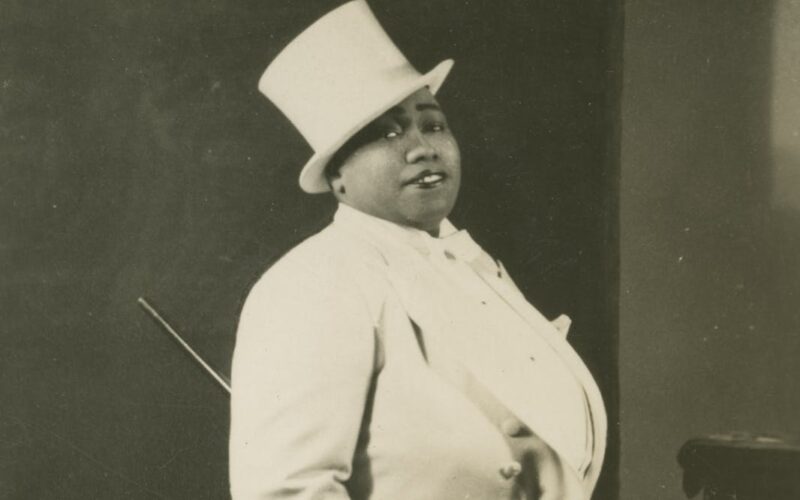
Early 1900s Harlem — sans the cigarette smoke — greets New York Historical guests on the second floor of the Upper West Side museum and library until March 8, 2026. Titled “The Gay Harlem Renaissance,” the exhibit showcases the LGBTQ+ roots of the hallowed Black cultural movement that occurred roughly 50 blocks north and a century ago. Since the show’s doors opened on Oct. 10, folks seem to love it.
“It’s been overwhelmingly positive in my own experience giving tours in the gallery,” said the exhibit’s lead curator, Allison Robinson. “It’s been a range of emotional reactions, from just joy at discovering something new [to having] people tear up on my tours learning about this history … it means a lot to me that this has touched people in a really deep way, and particularly given the fact that we worked on this for years.”
The exhibit stems from Columbia University professor George Chauncey joining the New York Historical Society’s board of trustees just under three years ago. He boasted a trove of experience writing and teaching about LGBTQ+ history and suggested examining Black LGBTQ+ life during the Harlem Renaissance in the 1920s and 30s, when he met with museum president Louise Mirrer. Chauncey maintains that uptown’s “Black mecca” was the most gay friendly neighborhood at the time, despite the hallowed reputation of lower Manhattan’s Greenwich Village during the same period.
“Harlem was far larger,” he said over Zoom. “There were more clubs, more meeting places. The Hamilton Lodge Ball was the largest drag ball in the city. It was the largest drag ball on the whole East Coast, and had people traveling from up and down the East Coast to come to it. It was the boldest queer scene. [In] Greenwich Village, there were sometimes clubs where you’d see male-identified people in dresses. In Harlem, you had people walking down the streets very well known in the community. It was a more vibrant scene.
“That’s really important for us to realize, and it’s one of the problems of the field of LGBTQ history: it’s primarily focused on white, middle-class people, and in fact, queer life in the ‘20s and ‘30s was much more diverse. As it [also] is today.”
Discover how the idea came to life.
Learn more about the exhibit, including how you can visit. Find Black events near you.
Read about Black history in our online exhibits.
Comments Are Welcome
Note: We moderate submissions in order to create a space for meaningful dialogue, a space where museum visitors – adults and youth –– can exchange informed, thoughtful, and relevant comments that add value to our exhibits.
Racial slurs, personal attacks, obscenity, profanity, and SHOUTING do not meet the above standard. Such comments are posted in the exhibit Hateful Speech. Commercial promotions, impersonations, and incoherent comments likewise fail to meet our goals, so will not be posted. Submissions longer than 120 words will be shortened.
See our full Comments Policy here.