How Hurricane Ian’s damage could exacerbate inequality
Share
Explore Our Galleries









Breaking News!
Today's news and culture by Black and other reporters in the Black and mainstream media.
Ways to Support ABHM?
By Anna Rhodes, assistant professor of sociology at Rice University and Max Besbris, assistant professor of sociology at the University of Wisconsin-Madison
Homeowners in whiter and wealthier communities are likely to see their home values rebound more quickly.
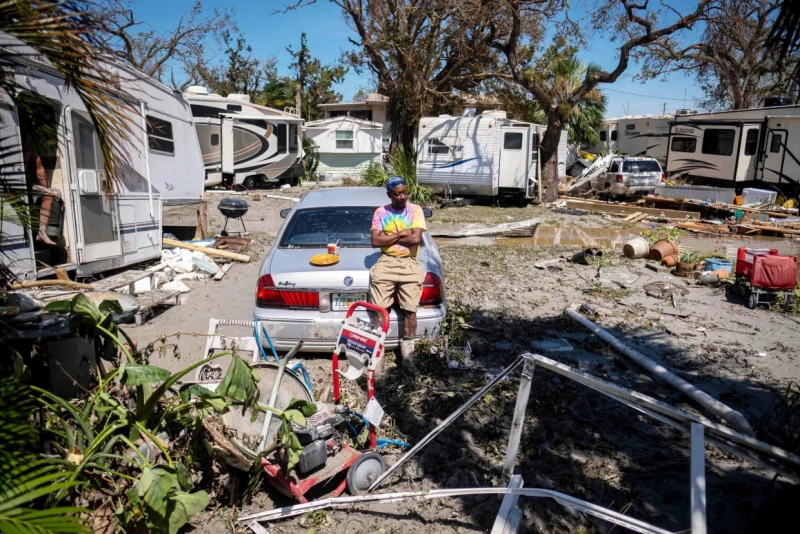
Hurricane Ian has already caused at least 34 deaths, and early numbers suggest that financial losses could hit $40 billion. But these numbers tell only part of the story. What they don’t reveal is how Ian will lead to growing inequality, and heighten racial disparities.
Research from across the United States shows that climate-related disasters have made our communities more unequal. Put another way, climate change is increasingly becoming a cause of inequality. Part of the problem is our existing recovery policies, which do not distribute post-disaster aid in fair or equitable ways. For example, Black households affected by disasters have often received less aid from the Federal Emergency Management Agency compared with their white counterparts, and in communities that have gotten more FEMA aid, the racial wealth gap has grown.
These disparities stem, in part, from different rates of post-disaster property inspections conducted by FEMA across racial groups, as well as the burden of the application process in applying aid. Overall, more recovery dollars have been invested in white communities, which has helped housing values bounce back there.
Typically, home values decline in the immediate aftermath of a flood. After Superstorm Sandy hit New York, there were large drops in home values for properties that flooded. Even properties that didn’t flood during the storm but were in nearby flood zones saw a significant decrease in values, demonstrating how the housing market can be quite reactive to climate-related disasters.
Keep reading on NBC.
Black homeowners suffer inequalities even without natural disasters to worry about.
Check out our breaking news.
Comments Are Welcome
Note: We moderate submissions in order to create a space for meaningful dialogue, a space where museum visitors – adults and youth –– can exchange informed, thoughtful, and relevant comments that add value to our exhibits.
Racial slurs, personal attacks, obscenity, profanity, and SHOUTING do not meet the above standard. Such comments are posted in the exhibit Hateful Speech. Commercial promotions, impersonations, and incoherent comments likewise fail to meet our goals, so will not be posted. Submissions longer than 120 words will be shortened.
See our full Comments Policy here.