Former Obama White House staff reflects on serving America’s first Black president
Share
Explore Our Galleries









Breaking News!
Today's news and culture by Black and other reporters in the Black and mainstream media.
Ways to Support ABHM?
By Gerren Keith Gaynor, theGrio
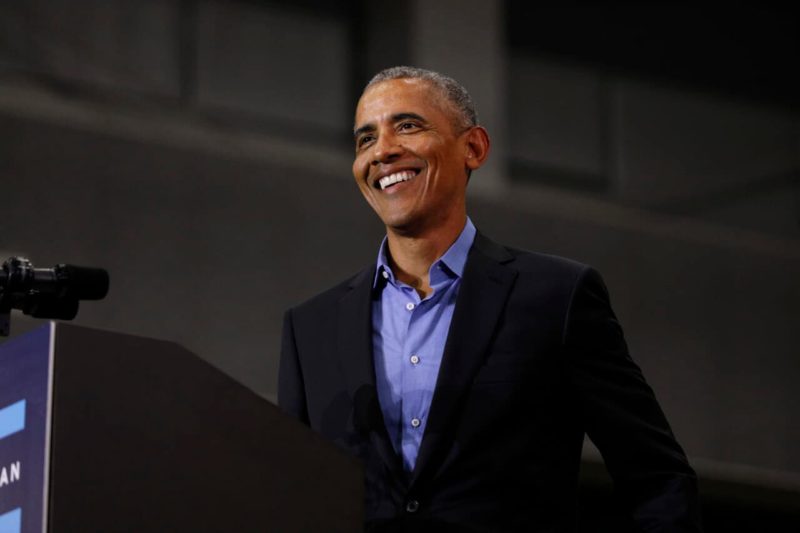
Former President Barack Obama, who turned 61 on Aug. 4, remains a luminary figure in politics. His former staff tells theGrio that his legacy will forever be marked in history.
Not only did he make history as America’s first Black president, inspiring a multiracial and multi-generational coalition of supporters, but he also famously delivered the landmark legislation best known by the moniker with his namesake—Obamacare—providing affordable health care for millions of uninsured Americans.
But for those who worked closely with the 44th president of the United States—namely his Black staff—the Obama presidency meant so much more than simply getting the chance to work inside “The People’s House.” TheGrio was able to connect with several former staffers of the Obama White House, who reflected on Obama’s legacy and what it meant to them to serve the nation’s first African-American commander in chief.
Reflecting on the political rise of Barack Obama during his first presidential run, Deesha Dyer, who served as White House social secretary, told theGrio, “I think for the first time, many people who were turned off by politics or just didn’t know about politics were engaged and excited about President Obama’s campaign and later, presidency.”
Read about Dyer’s and others’ experiences in the White House.
Unfortunately, half of Americans felt race relations worsened during Obama’s time in office, perhaps in part because of racist anti-Obama protests.
More breaking news here.
Comments Are Welcome
Note: We moderate submissions in order to create a space for meaningful dialogue, a space where museum visitors – adults and youth –– can exchange informed, thoughtful, and relevant comments that add value to our exhibits.
Racial slurs, personal attacks, obscenity, profanity, and SHOUTING do not meet the above standard. Such comments are posted in the exhibit Hateful Speech. Commercial promotions, impersonations, and incoherent comments likewise fail to meet our goals, so will not be posted. Submissions longer than 120 words will be shortened.
See our full Comments Policy here.