For Rent: Former Slave Quarters
Share
Explore Our Galleries









Breaking News!
Today's news and culture by Black and other reporters in the Black and mainstream media.
Ways to Support ABHM?
by Kristina Chew, Care2
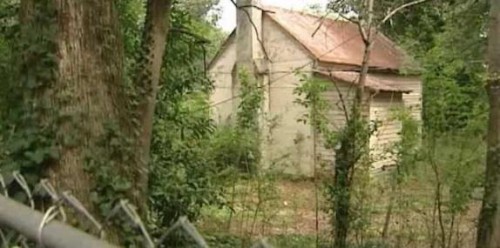
Would you rent an apartment that, a century and a half ago, was once a slave cabin? Chuck Corley, a developer from Columbia, South Carolina, seems to think that someone will, says NBC News.
Corley, who has renovated other historic sites, including the Lemmon Hill Plantation and Corley Hall Plantation, is planning to turn the long-empty, boarded-up structures in Anderson, South Carolina into an apartment complex.
The Palmetto Trust for Historic Preservation purchased the structures in 2009 and prevented them from being destroyed; its director says that they are the “last-known slave cabins in the upstate.” Corley is now under contract to buy the buildings and turn them into rental units. Bobby Baxter, who has lived near the site of the slave cabins since the early 1960s and seen them deteriorate year after year, welcomes Corley’s plans. “It’s important to keep the squatters out of here,” he says.
Commenting on how “well-built” the slave cabins were, Corley says he hopes “to save [them] in as pure a form as we can save.” Renovating the cabins could cost from $50,000 to $100,000, he estimates.
[…]
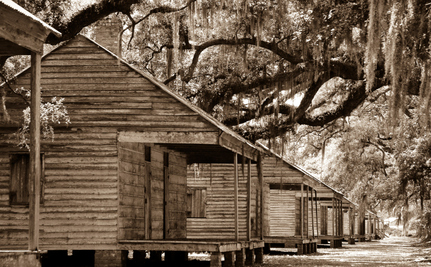
Angela da Silva of the National Black Tourism Network counters that converting former slave quarters into bed and breakfasts — into vacation lodgings — is “truly whitewashing slavery.” Turning former slave cabins into apartments that people would actually live in full-time raises a number of ethical issues. More than a few of us (I’ll include myself) would not care to sleep, much less live, in a place where people once lived as slaves.
Certainly it is important to preserve historic structures and learn the full story about this country’s past. In 2010, residents of Greenville, South Carolina rehabilitated a slave cabin from the 1840s. The cabin had been threatened with demolition in the face of a housing development; residents rallied to disassemble the structure and move it to the Living History Farm at Roper Mountain Science Center, which is owned by the Greenville County Schools. The reconstructed cabin now serves a valuable role, to teach children about the United State’s past and the importance of historic preservation.
Read the full article here.
Learn about slavery’s long impact.
Read more Breaking News here.
Comments Are Welcome
Note: We moderate submissions in order to create a space for meaningful dialogue, a space where museum visitors – adults and youth –– can exchange informed, thoughtful, and relevant comments that add value to our exhibits.
Racial slurs, personal attacks, obscenity, profanity, and SHOUTING do not meet the above standard. Such comments are posted in the exhibit Hateful Speech. Commercial promotions, impersonations, and incoherent comments likewise fail to meet our goals, so will not be posted. Submissions longer than 120 words will be shortened.
See our full Comments Policy here.