First Step – One of the Biggest Criminal Justice Reforms in Decades
Share
Explore Our Galleries









Breaking News!
Today's news and culture by Black and other reporters in the Black and mainstream media.
Ways to Support ABHM?
By Anne Branigin, TheRoot.com
Credit – IStock
First Step Is One of the Biggest Criminal Justice Reforms in Decades. But How Great Will Its Effect Be?
On Tuesday night, a Republican-dominated Senate passed First Step, paving the way for the criminal justice reform bill to clear the House and be signed into law by Donald Trump. The bipartisan bill, which was overwhelmingly passed in an 87-12 vote, is widely considered to the most substantial legislation affecting the federal prison system in decades….
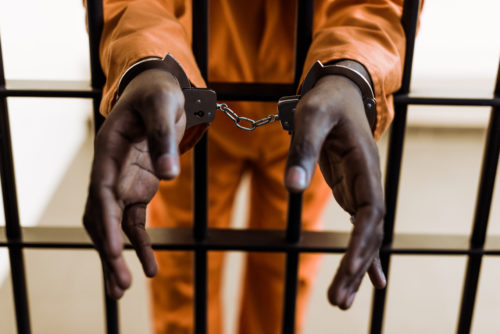
Under the bill, thousands of federal inmates will be able to have their sentences reduced immediately, and early-release programs and job training will be expanded. Mandatory minimum sentences for nonviolent drug offenders would also be reduced, and judges will be given more freedom to go around mandatory minimums. The bill also ends the practice of shackling pregnant inmates in federal prison, as well as prohibits juvenile solitary confinement in “almost all cases” according to the Times….
Because race and America’s penal system are so deeply intertwined, the First Step bill would theoretically have a disproportionate impact on communities of color. The Times noted that one provision of the bill could decrease the sentences of “several thousand drug offenders serving lengthy sentences for crack-cocaine offenses.” During the “War on Drugs” era, black crack dealers were punished far more heavily than white offenders dealing coke….
But even with these caveats, the changes introduced in the First Step bill are significant, bolstering a trend that has emerged in cities like Tulsa, Okla., and St. Louis, where mass incarceration has had such devastating effects on communities and resources that it’s become a bipartisan issue. And while the bill has its limits, criminal justice advocates believe the reforms it brings to the federal prison system could push more states to adopt similar changes.
Read the full article here
Read more Breaking News here
View more galleries from ABHM here
Comments Are Welcome
Note: We moderate submissions in order to create a space for meaningful dialogue, a space where museum visitors – adults and youth –– can exchange informed, thoughtful, and relevant comments that add value to our exhibits.
Racial slurs, personal attacks, obscenity, profanity, and SHOUTING do not meet the above standard. Such comments are posted in the exhibit Hateful Speech. Commercial promotions, impersonations, and incoherent comments likewise fail to meet our goals, so will not be posted. Submissions longer than 120 words will be shortened.
See our full Comments Policy here.