Eighty years late: groundbreaking work on slave economy is finally published in UK?
Share
Explore Our Galleries









Breaking News!
Today's news and culture by Black and other reporters in the Black and mainstream media.
Ways to Support ABHM?
By Donna Ferguson, The Guardian
Seminal work by scholar and future politician Eric Williams, shunned for decades, is issued by mainstream imprint
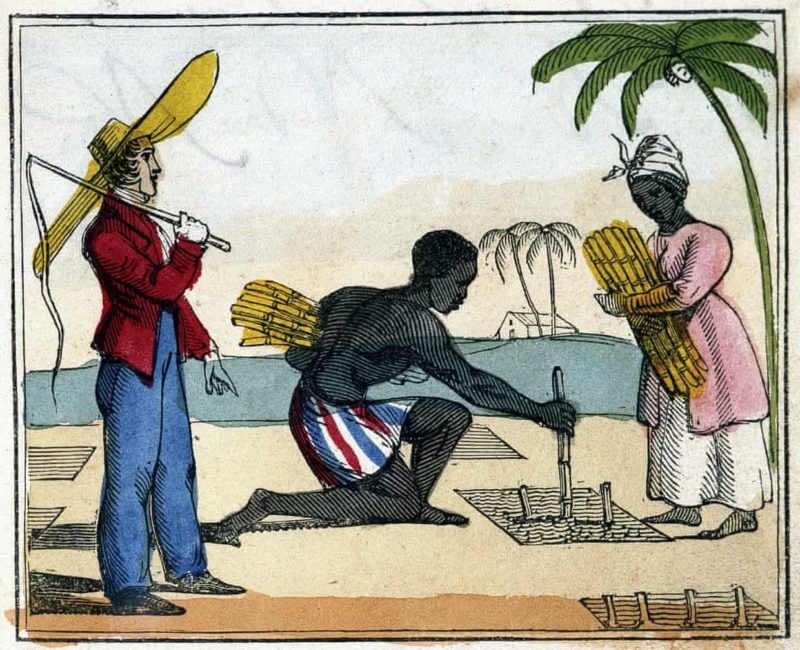
In 1938, a brilliant young Black scholar at Oxford University wrote a thesis on the economic history of British empire and challenged a claim about slavery that had been defining Britain’s role in the world for more than a century.
But when Eric Williams – who would later become the first prime minister of Trinidad and Tobago – sought to publish his “mind-blowing” thesis on capitalism and slavery in Britain, he was shunned by publishers and accused of undermining the humanitarian motivation for Britain’s Slavery Abolition Act.
Slavery, Williams argues, was abolished in much of the British empire in 1833 because doing so at that time was in Britain’s economic self-interest – not because the British suddenly discovered a conscience.
“The capitalists had first encouraged West Indian slavery and then helped to destroy it,” he writes. In the early 19th century, slave-owning sugar planters in the Caribbean British colonies enjoyed a monopoly on the supply of sugar to Britain, because of an imperial tax policy of protectionism. Williams argues: “When British capitalism depended on [sugar and cotton plantations in] the West Indies, they [the capitalists] ignored slavery or defended it. When British capitalism found the West Indian monopoly [on sugar] a nuisance, they destroyed West Indian slavery as the first step in the destruction of West Indian monopoly.”
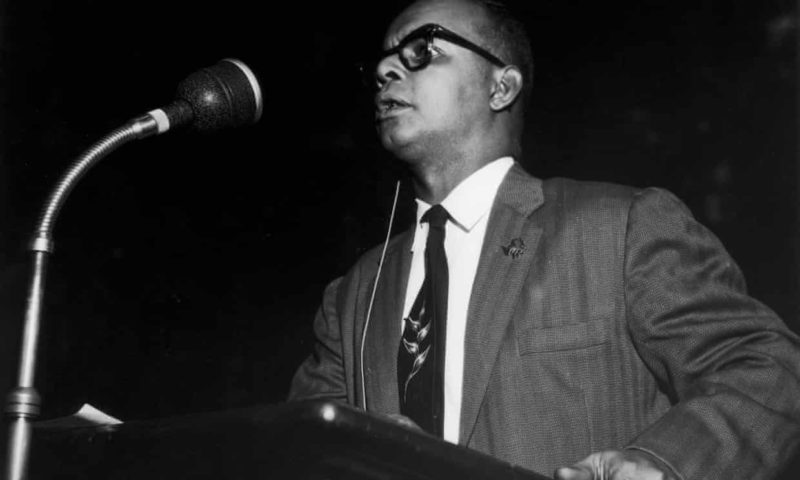
The Industrial Revolution could not have happened without slavery – Williams made the case for this in 1938.”
Prof Kehinde Andrews, Birmingham City University
In great detail, he lays out the scale of the wealth and industry that was created in Britain, not just from the slave plantations and in the sugar refineries and cotton mills, but by building and insuring slave ships, manufacturing goods transported to the colonies – including guns, manacles, chains and padlocks – and then banking and reinvesting the profits.
Read the full article here.
More Breaking News here.
Comments Are Welcome
Note: We moderate submissions in order to create a space for meaningful dialogue, a space where museum visitors – adults and youth –– can exchange informed, thoughtful, and relevant comments that add value to our exhibits.
Racial slurs, personal attacks, obscenity, profanity, and SHOUTING do not meet the above standard. Such comments are posted in the exhibit Hateful Speech. Commercial promotions, impersonations, and incoherent comments likewise fail to meet our goals, so will not be posted. Submissions longer than 120 words will be shortened.
See our full Comments Policy here.