DC’s Attorney General Is Suing Amazon for Secretly Excluding Majority-Black Neighborhoods From Prime Deliveries
Share
Explore Our Galleries









Breaking News!
Today's news and culture by Black and other reporters in the Black and mainstream media.
Ways to Support ABHM?
By Damare Baker, Washingtonian
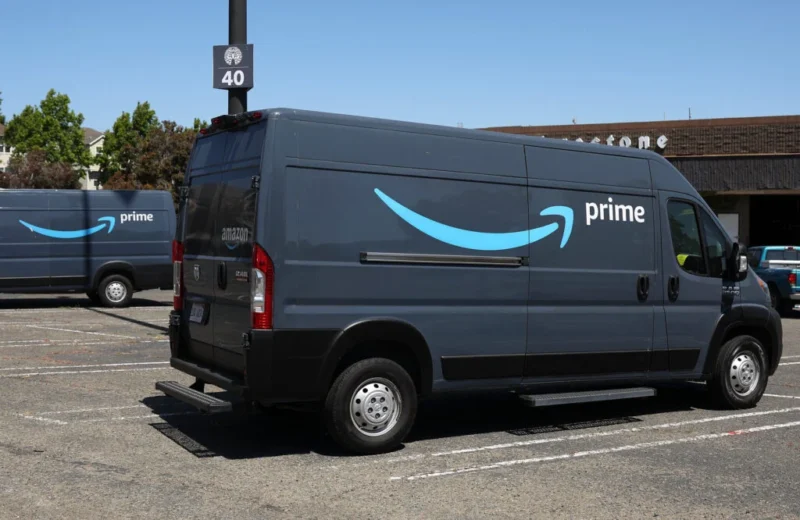
DC Attorney General Brian Schwalb filed a lawsuit Wednesday against Amazon, alleging the online retailer secretly stopped providing its fast delivery service to Amazon Prime customers residing in two majority-Black Ward 7 and 8 neighborhoods.
The lawsuit, filed in DC Superior Court, alleges Amazon has been excluding two zip codes east of the Anacostia River (20019 and 20020) from receiving its advertised two-day service, instead exclusively using slower third-party services like UPS and the US Postal Service.
The Attorney General’s office says Amazon should reverse its “exclusion” and pay financial damages to the 48,000 residents of the affected neighborhoods who bought Prime memberships.
“Amazon is charging tens of thousands of hard-working Ward 7 and 8 for an expedited delivery service it promises but does not provide,” Schwalb said in a statement. “While Amazon has every right to make operational changes, it cannot covertly decide that a dollar in one zip code is worth less than a dollar in another.”
Amazon refuted any claims of discrimination as “categorically false,” in a statement to Washingtonian. “We made the deliberate choice to adjust our operations, including delivery routes and times, for the sole reason of protecting the safety of drivers,” said Kelly Nantel, a spokesperson for the company.
Keep reading to learn why Amazon felt this was necessary.
Many Black people live in specific neighborhoods because of redlining.
Comments Are Welcome
Note: We moderate submissions in order to create a space for meaningful dialogue, a space where museum visitors – adults and youth –– can exchange informed, thoughtful, and relevant comments that add value to our exhibits.
Racial slurs, personal attacks, obscenity, profanity, and SHOUTING do not meet the above standard. Such comments are posted in the exhibit Hateful Speech. Commercial promotions, impersonations, and incoherent comments likewise fail to meet our goals, so will not be posted. Submissions longer than 120 words will be shortened.
See our full Comments Policy here.