Court ruling on Belgium’s conduct in colonial Africa hailed as turning point
Share
Explore Our Galleries









Breaking News!
Today's news and culture by Black and other reporters in the Black and mainstream media.
Ways to Support ABHM?
By Jennifer Rankin, The Guardian
Verdict of crimes against humanity for kidnap of mixed-race children could pave way for wider justice, activists say
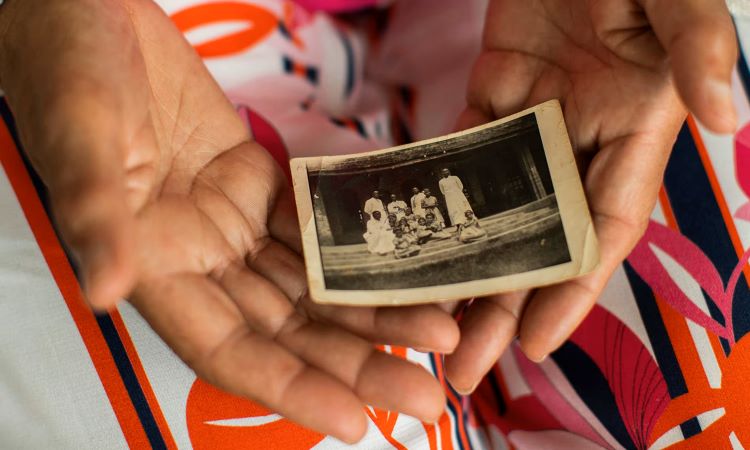
A historic court ruling that found Belgium guilty of crimes against humanity during its colonial rule of central Africa has been hailed as a turning point that could pave the way for compensation and other forms of justice.
Belgium’s court of appeal ruled last month that the “systematic kidnapping” of mixed-race children from their African mothers in Belgian-ruled Congo, Rwanda and Burundi was a crime against humanity. The case was brought by five women who were removed from their Congolese mothers as small children between 1948 and 1953, and who now live in Belgium and France. Each was awarded €50,000 (£42,000) in damages.
The colonial-era policy affected thousands more métis, children of African mothers and European fathers whom imperial Belgium deemed a threat to the white supremacist order. Many lost all contact with their mothers after being moved hundreds of miles away to live in uncaring religious institutions with meagre rations and inadequate education.
The president of the Association of Métis of Belgium, François Milliex, said the decision “surely opens the door” to those seeking financial compensation for forced separation from their parents.
[…]
“Most métis who were moved to Belgium regret that the state never proposed financial compensation for the suffering, the pain,” he said. “There are people who continue to suffer today from this separation, this loss of identity, to understand why they were taken from their mother, why their father did not recognise them, 70 years later they are still, some of them, asking these questions. It is real pain that remains in the hearts of all the métis.”
While European countries colonized Africa, the US kidnapped African people for a different reason.
Comments Are Welcome
Note: We moderate submissions in order to create a space for meaningful dialogue, a space where museum visitors – adults and youth –– can exchange informed, thoughtful, and relevant comments that add value to our exhibits.
Racial slurs, personal attacks, obscenity, profanity, and SHOUTING do not meet the above standard. Such comments are posted in the exhibit Hateful Speech. Commercial promotions, impersonations, and incoherent comments likewise fail to meet our goals, so will not be posted. Submissions longer than 120 words will be shortened.
See our full Comments Policy here.