Buy The Block: ‘Greenlining’ in communities of color
Share
Explore Our Galleries









Breaking News!
Today's news and culture by Black and other reporters in the Black and mainstream media.
Ways to Support ABHM?
By Ariama C. Long, America Corps Member, and Amsterdam News Staff
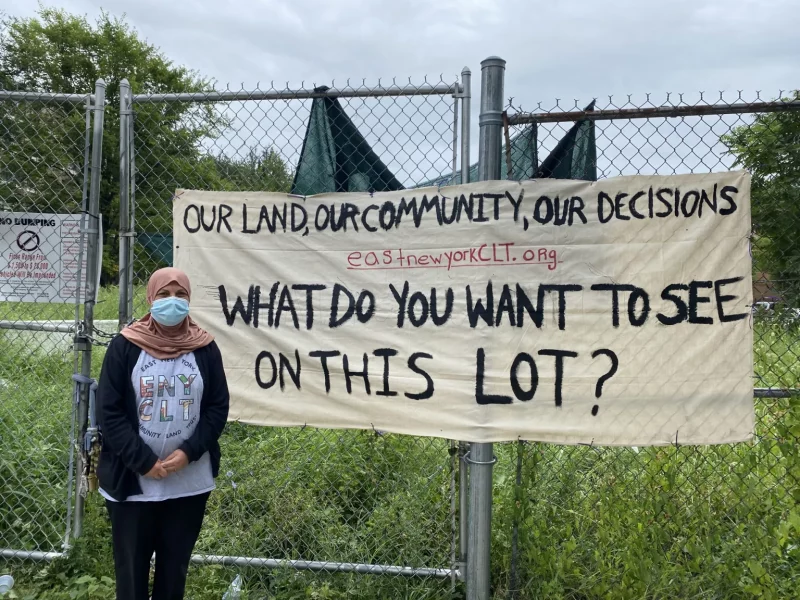
Many of New York City’s neighborhoods have experienced a long history of disinvestment, especially in Black, brown, immigrant, and low-income communities. Targeted housing legislation aims to support homeowners through the concept of ‘greenlining.’
The East New York Community Land Trust (ENYCLT) has been working with electeds on three housing bills that will counteract the effects of gentrification and ‘redlining,’ or a discriminatory loan practice to keep racial and ethnic minorities in low-income neighborhoods.
“The high-end developers, they get the land and the property and they just build for profit, not with any consideration of the community and the community’s needs,” said ENYCLT spokesperson Debra Ack. Ack considers ‘greenlining’ an avenue to give the community say-so and input on how housing is built in their backyards.
The first bill is the Community Opportunity to Purchase Act that gives CLTs and other qualified nonprofits a first right to purchase buildings when landlords sell.
[…]
The second bill is the TOPA Resolution, sponsored by Public Advocate Jumaane Williams, which calls on the state to pass the Tenant Opportunity to Purchase Act. The Purchase Act gives tenants a first right to collectively buy their buildings when landlords sell. And lastly, the Public Land for Public Good requires the city to give public land for affordable housing through not-for-profit developers and CLTs.
Amsterdam News has details about these housing initiatives.
“Greenling” takes its name from redlining, a practice that barred Black Americans from owning homes.
Comments Are Welcome
Note: We moderate submissions in order to create a space for meaningful dialogue, a space where museum visitors – adults and youth –– can exchange informed, thoughtful, and relevant comments that add value to our exhibits.
Racial slurs, personal attacks, obscenity, profanity, and SHOUTING do not meet the above standard. Such comments are posted in the exhibit Hateful Speech. Commercial promotions, impersonations, and incoherent comments likewise fail to meet our goals, so will not be posted. Submissions longer than 120 words will be shortened.
See our full Comments Policy here.