Black Women Said We’d Sit ‘No Kings’ Protest Out, But I Couldn’t
Share
Explore Our Galleries









Breaking News!
Today's news and culture by Black and other reporters in the Black and mainstream media.
Ways to Support ABHM?
Alexanderia Haidara, The Black Wall Street Times
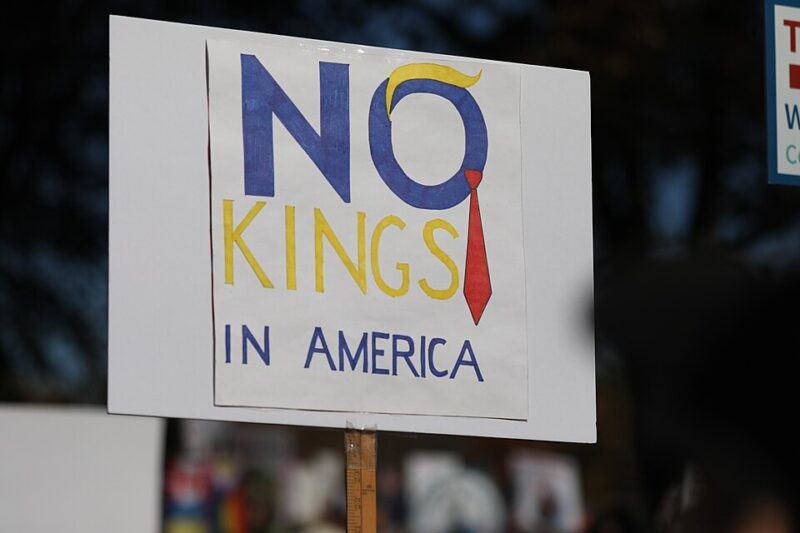

Attending the No Kings protest was not how I planned to spend my Saturday morning. I could have gone to the nail shop or worked on my business plan. Instead, I put on a T-shirt and baseball cap and joined the millions of Americans marching to defend democracy from tyranny.
Like Detroit and Chicago, my Maryland suburb had few Black protesters, despite having a large Black population.
My reasons were personal. I was living in Nigeria, working in international development, when the Trump Administration began cutting U.S. foreign assistance. On inauguration day, those of us serving overseas braced for Trump’s foreign aid cuts.
However, I never imagined that he would have the audacity to shut down the U.S. Agency for International Development without congressional approval and get away with it.
When Public Service Became a Political Target
With one stroke of a pen, our entire career plans and lives were upended. Within a week, the Trump Administration launched a massive misinformation campaign to undermine the legitimacy of USAID.
Keep reading to learn why Black women who vowed to sit back feel it’s not an option in Trump’s America.
Learn about other activists who felt like they had no choice but to speak up.
Keep updated with the changes Donald Trump is making that impact Black Americans in our breaking news section.
Comments Are Welcome
Note: We moderate submissions in order to create a space for meaningful dialogue, a space where museum visitors – adults and youth –– can exchange informed, thoughtful, and relevant comments that add value to our exhibits.
Racial slurs, personal attacks, obscenity, profanity, and SHOUTING do not meet the above standard. Such comments are posted in the exhibit Hateful Speech. Commercial promotions, impersonations, and incoherent comments likewise fail to meet our goals, so will not be posted. Submissions longer than 120 words will be shortened.
See our full Comments Policy here.