Biracial versus black: Thought leaders weigh in on the meaning of President Obama’s biracial heritage
Share
Explore Our Galleries









Breaking News!
Today's news and culture by Black and other reporters in the Black and mainstream media.
Ways to Support ABHM?
By Patrice Peck, theGrio
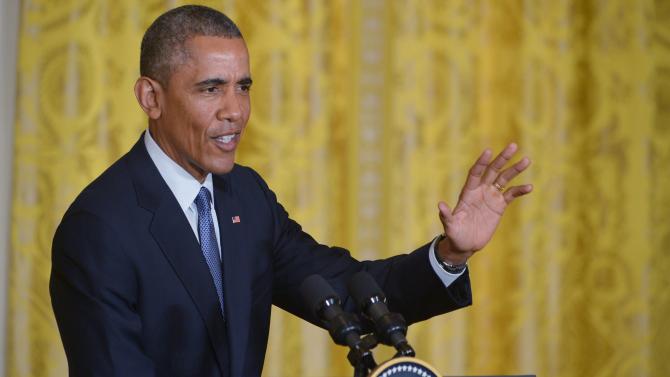
“If I’m lucky enough to have children, I won’t tell them that Barack Obama was America’s first black president.”
Thus began columnist Clinton Yates’ piece, Barack Obama: Let’s not forget that he’s America’s first bi-racial president. Published on The Washington Post website two days after the 2012 election, Yates’ piece explores the notion that singling out President Obama’s African heritage alone has resulted in an incomplete narrative of his identity.
“As a black man who plans to eventually start a family with my white girlfriend, I’m going to tell [my future children] that Obama was the first man of color in the White House and that America’s 44th president was biracial,” writes Yates. “What would I look like telling my kids that a man with a black father and a white mother is ‘black’ just because society wants him to be?” Yates’ stance on President Obama’s racial identity points to an on-going, complicated debate surrounding the president’s race and how he chooses to identify himself….
[W]e asked some of the nation’s leading authorities on biracial and multi-racial issues to share their thoughts on the president’s self-identification as black, and the possible stakes of not addressing his bi-racial identity more directly. These leaders offer interesting and at times surprising perspectives on what it means to have not only a black man, but also a biracial man in the White House.
Here is what they told theGrio about this historic first.
Some biracial people reject their Blackness.
Comments Are Welcome
Note: We moderate submissions in order to create a space for meaningful dialogue, a space where museum visitors – adults and youth –– can exchange informed, thoughtful, and relevant comments that add value to our exhibits.
Racial slurs, personal attacks, obscenity, profanity, and SHOUTING do not meet the above standard. Such comments are posted in the exhibit Hateful Speech. Commercial promotions, impersonations, and incoherent comments likewise fail to meet our goals, so will not be posted. Submissions longer than 120 words will be shortened.
See our full Comments Policy here.